Products


304 Stainless Steel Ring Hooking Nut Screws Eyebolts
304 Stainless Steel Ring Hooking Nut Screws Eyebolts, also known as eye bolts or lifting screws, are fasteners with a ring-shaped head (lifting eye) and an external thread on the rod. They are specially used for lifting, transporting, hanging or anchoring equipment.
Send Inquiry
Product Description
Product introduction
304 Stainless Steel Ring Hooking Nut Screws Eyebolts, also known as eye bolts or lifting screws, are fasteners with a ring-shaped head (lifting eye) and an external thread on the rod. They are specially used for lifting, transporting, hanging or anchoring equipment. Its ring-shaped head can be matched with hooks, wire ropes, chains and other rigging to achieve safe and reliable lifting operations. In the classification of fasteners, lifting eye screws are standard parts (such as GB/T 825, DIN 580), but when the inner diameter of the lifting ring, ring body thickness or thread specifications need to be adjusted to adapt to special lifting conditions, they are converted into stainless steel non-standard fasteners. For example, the design of lifting points for equipment in narrow spaces sometimes requires non-standard ring body heights or eccentric ring structures. Such variant products are stainless steel special-shaped fasteners that have dual functions of lifting and fastening.
In addition, although the appearance of eye screws and 304 stainless steel swing bolts are similar, their functions are different: the heads of swing bolts have transverse through holes for hinged connections, while the heads of eye screws are closed rings and are designed to withstand vertical tensile loads.
Product design and features
Design points:
Ring structure: closed ring head, inner hole for penetrating hook or rigging, ring body has rounded corners to reduce stress concentration.
Thread form: Metric coarse thread (M6-M100+), the thread length is designed in proportion to the ring body size.
Bearing direction: Designed to bear vertical force, it is strictly prohibited to be used in situations of lateral tension or transverse shear force.
Marking requirements: The ring body is usually marked with specifications or carrying tonnage to facilitate on-site identification.
Product features:
Strong corrosion resistance: 304 stainless steel is suitable for moisture, weak acid and alkali and outdoor environments without additional coating.
Integrated molding: It is integrally formed using hot forging or cold heading technology, with no welding seams and high structural strength.
Easy to install: the threaded end is directly screwed into the equipment screw hole and used with the locking nut.
Clear load-bearing: Each specification corresponds to a clear working load (WLL). For example, the working load of M8 eye screws is about 0.4 tons.
Materials and application areas
Material:
Grade: 304 (A2), 304L, 316L optional.
Mechanical properties: tensile strength ≥500 MPa (A2-70 grade), the lifting ring part needs to pass the verification test of 2.5 times the working load.
Optional treatments: polishing, pickling, passivation or sandblasting.
Application areas:
Equipment hoisting: lifting and transportation of machine tools, molds, motors, pumps and valves.
Ships and marine engineering: deck equipment fixation, hatch cover lifting points (316L material recommended).
Construction and steel structures: prefabricated element lifting points, curtain wall installation, bridge maintenance.
Electric power and petrochemical industry: transformer hoisting, pipeline equipment suspension.
Outdoor facilities: fixation of solar brackets, billboards and guardrails.
Quality control and certification system
Quality control
Raw material testing
Spectral analysis: Confirm that the Cr (18-20%) and Ni (8-10.5%) contents comply with the 304 standard.
Mechanical properties: tensile strength, yield strength, elongation test.
Dimensional inspection
Ring inner diameter/outer diameter, ring body thickness, thread accuracy (pass and stop gauge), and total length.
Use an imager or three-dimensional coordinate measuring machine to detect key dimensions.
Mechanical property testing
Load test: Apply a verification load of 2.5 times the working load, and maintain it for the specified time without permanent deformation.
Fatigue test: 20,000 cycle tests at 1.5 times the workload.
Hardness test: HRB 67-95 (hot forgings).
Non-destructive testing
Magnetic particle inspection or ultrasonic inspection: Check for internal cracks, folds and other defects.
Corrosion resistance test
Neutral salt spray test (NSS): No red rust for 48-72 hours.
Certification system
The general ISO 9001 quality management system covers the production process.
RoHS and REACH certifications can be provided for export to the EU.
For lifting and hoisting purposes, a third-party inspection report is required, including load test data.
When supplied as custom stainless steel fasteners, full size reports and material certifications for PPAP Level 3 are available.
Customized services
Size customization: non-standard thread specifications (such as British, American), non-standard ring body size, non-standard thread length.
Structural modification: eccentric ring, flat ring, ring body with anti-rotation flange (evolved into stainless steel special shape fasteners).
Anti-loosening design: Threads are pre-coated with nylon anti-loosening glue, matching lock washers or slotted nuts.
Surface treatment: mirror polishing, sandblasting, electrochemical passivation, molybdenum disulfide coating.
Assemblies: Pre-assembled flat washers, spring washers or rubber seals.
Process selection: CNC turning + wire cutting ring body is used for small batches, and hot forging + thread rolling is used for large batches.
FAQ
Q: What are the advantages of 304 Stainless Steel Ring Hooking Nut Screws Eyebolts compared with ordinary carbon steel eye screws?
A: 304 stainless steel can be rust-proof for a long time without coating, and has no risk of coating peeling. It is suitable for outdoor, humid and weakly corrosive environments. However, the cost is higher and the strength is slightly lower than that of grade 8.8 or grade 12.9 alloy steel eye screws.
Q: Can eye screws withstand lateral tension?
A: No. Eye screws are only designed for use in the vertical direction of tension. Lateral tension or transverse shear forces may cause the lifting ring to deform or root to break. If you need to withstand lateral forces, use rotating eye screws or articulated bolts.
Q: How to install lifting eye screws correctly?
A: ① Make sure the thread is completely screwed into the screw hole, and the thread engagement depth is ≥ 1.5 times the nominal diameter; ② The plane of the lifting ring should be perpendicular to the force direction; ③ Use a torque wrench to tighten according to the recommended torque; ④ It is strictly prohibited to use an extension rod to over-tighten.
Q: Will 304 Stainless Steel Ring Hooking Nut Screws Eyebolts rust when used in coastal environments?
A: 304 stainless steel may suffer from pitting corrosion in coastal high salt spray environments. It is recommended to upgrade to 316L material, or use stainless steel non-standard parts to customize the surface with enhanced passivation treatment, and perform regular inspection and maintenance.
Q: How to judge whether the lifting eye screw needs to be scrapped and replaced?
A: It should be scrapped immediately if the following conditions occur: ① The ring body is obviously deformed or twisted; ② Surface cracks (can be inspected by coloring and flaw detection); ③ Thread damage or slippage; ④ Used beyond the working load; ⑤ Severe corrosion.
Q: Can you provide eye screws with anti-loosening function?
A: Yes. Nylon anti-loosening glue can be pre-coated on the threaded end, or spring washers and anti-loosening nuts can be used. If a higher level of anti-loosening is required, stainless steel special-shaped fasteners can be customized, such as eye screws with flange anti-rotation structures.
Q: How to label the load-bearing capacity of lifting eye screws?
A: Each specification corresponds to a clear workload (WLL), such as M8 about 0.4T, M12 about 1.05T, M20 about 2.15T, and M30 about 5T. Specific values vary depending on manufacturing standards. Please confirm the product label or test report before use.
Send Inquiry
Related Products
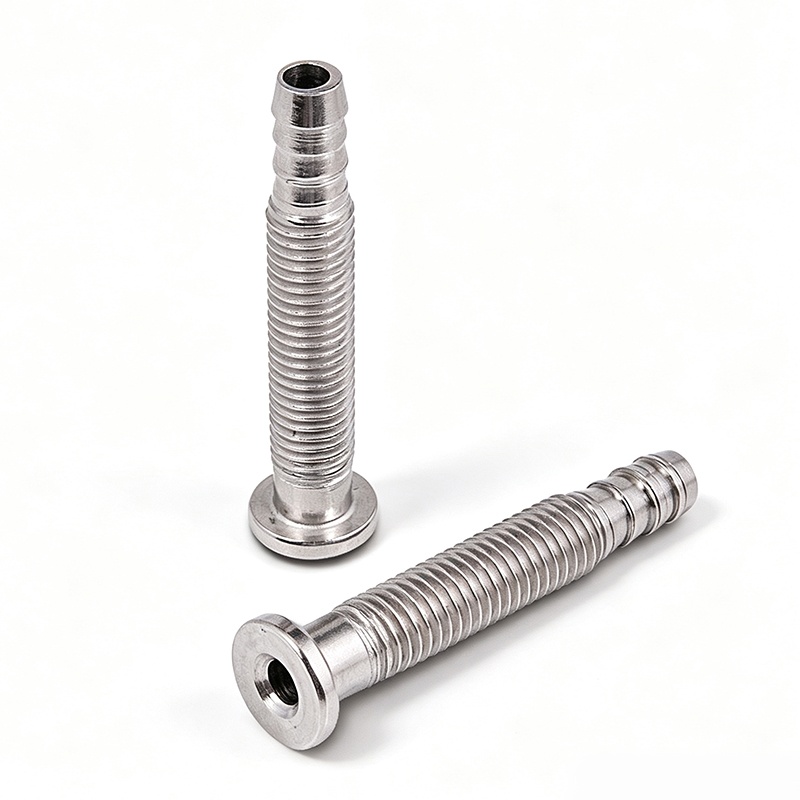 Stainless Steel External Threaded Hollow Multi-Step Connector
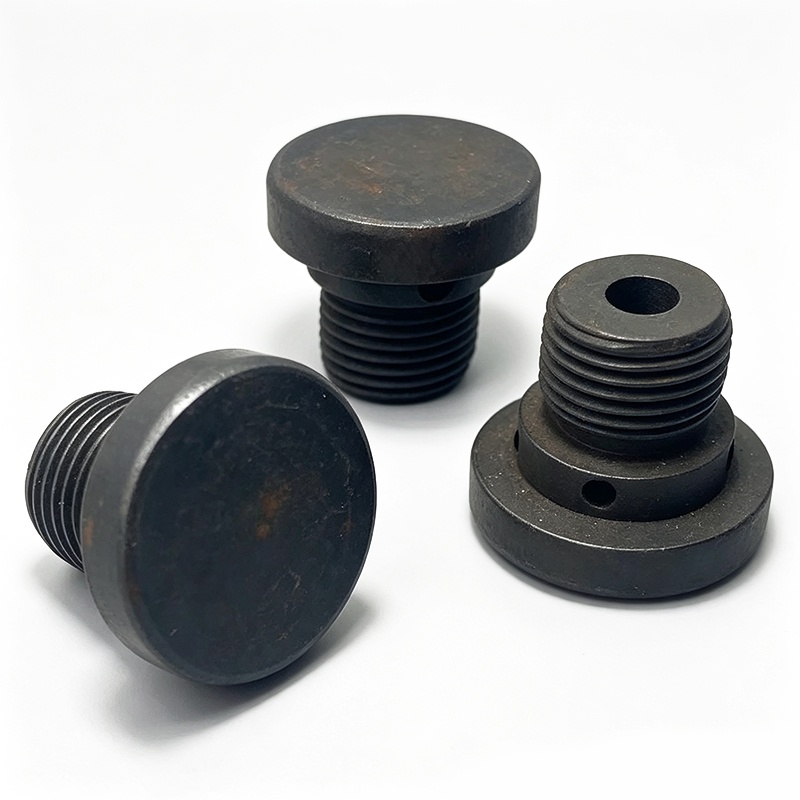 Round Head Hollow Threaded Plugs with Threaded Fasteners for Metal and Machinery
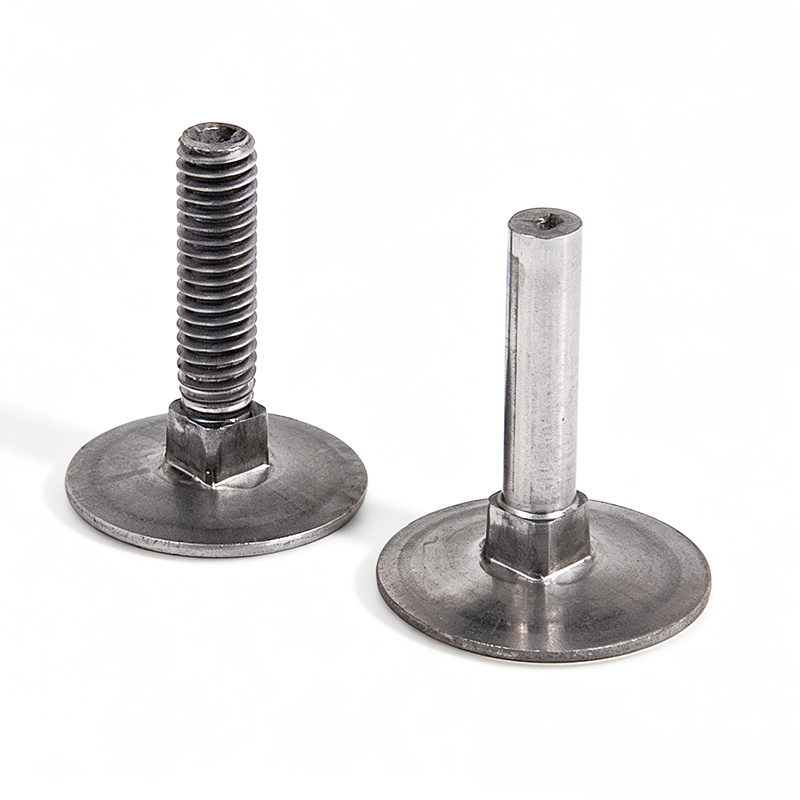 Flat Head Square Neck Adjusting Bolts with Flat Head Fasteners for Furniture and Machinery
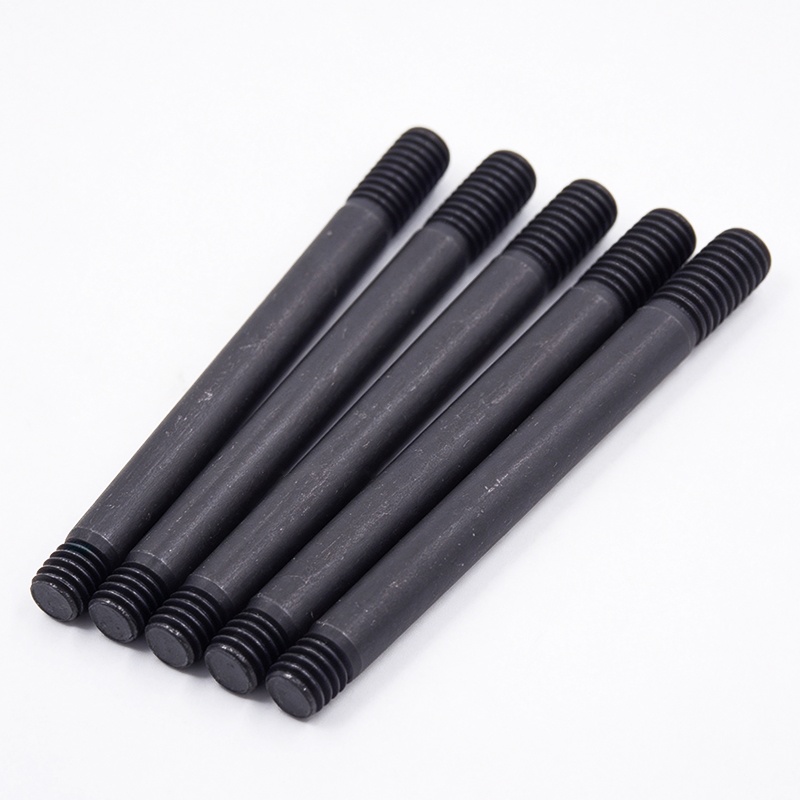 Double Ended Bolts with Threads with Heavy Duty Fasteners for Mechanical Assembly
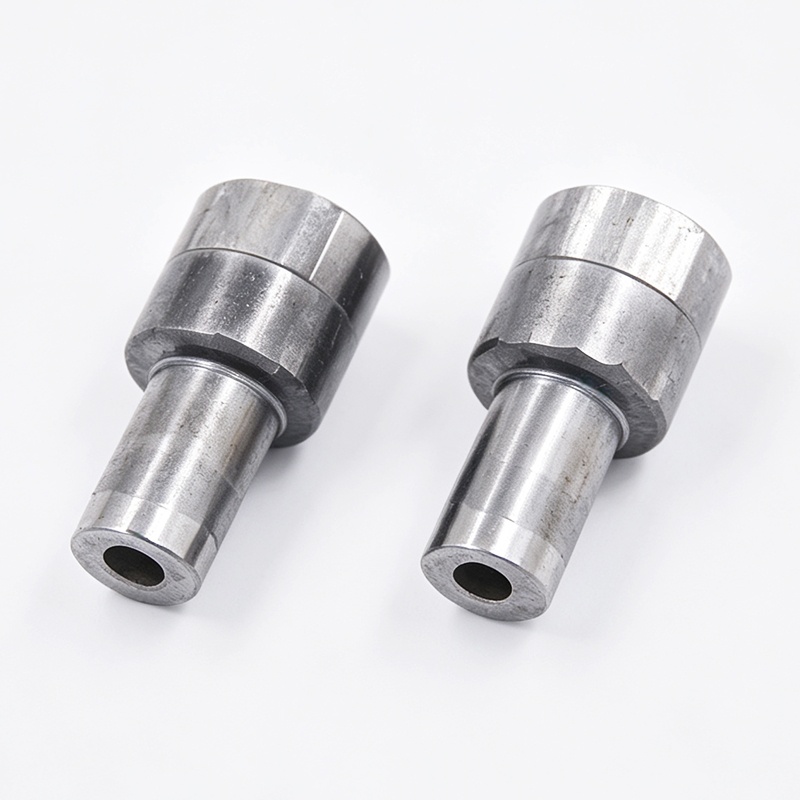 Cold-Bent Stepped Hollow Shaft Sleeve
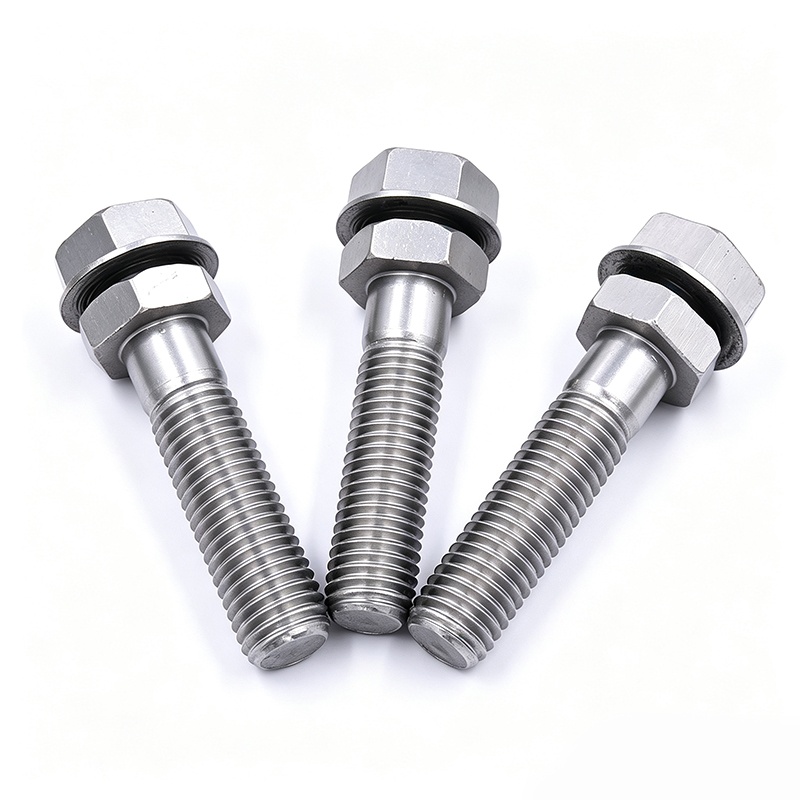 Aluminum Alloy Flange Bolt
Latest News
-
Cold Heading Components: High-performance Fastener Solutions from Wenzhou Riyi Standard Parts Co., Ltd
2026-09-29Cold heading processing shapes metal wire under strong pressure at room temperature without cutting raw materials. Unlike traditional CNC machining, this technology preserves the continuous metal grain flow inside cold heading parts.
-
Special-shaped Bolts and Stainless Steel Double-ended Bolts from Wenzhou Riyi Standard Parts Co., Ltd
2026-09-23In modern mechanical manufacturing, construction engineering and equipment assembly, high-quality fasteners are the invisible foundation that guarantees structural safety and product stability.
-
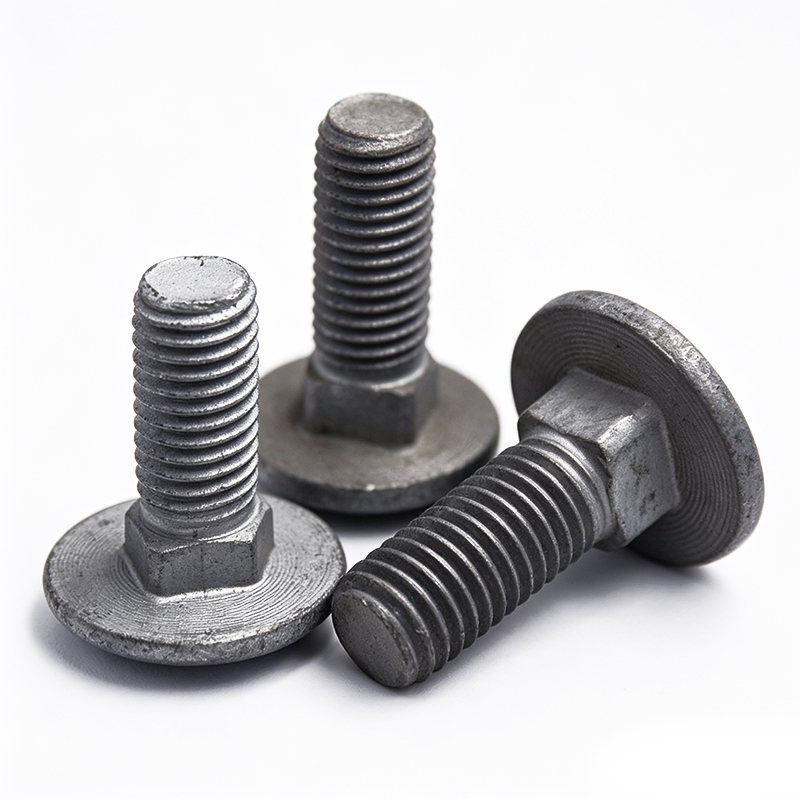
Precision Custom Fasteners from Wenzhou Riyi Standard Parts
2026-09-15Wenzhou Riyi Standard Parts is a reliable Chinese manufacturer focusing on custom non-standard fasteners, located in Wenzhou’s Binhai Economic Zone.
-
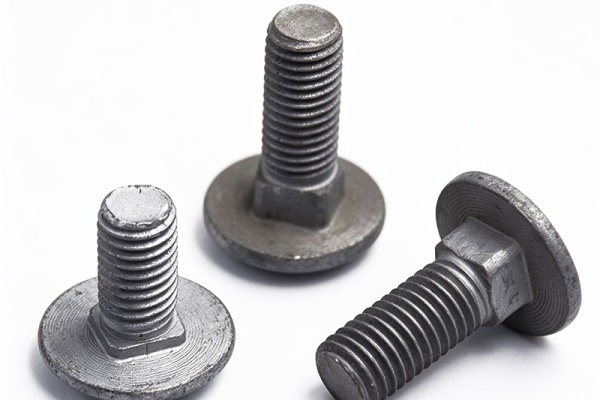
Aluminum Alloy Flange Bolts, Ball Head Studs & Dacromet Carriage Bolts – Reliable Fastener Startup Business
2026-09-08Fasteners are essential basic components widely used in machinery, automotive, engineering and equipment assembly industries.