Products


Cold-Molded Non-Standard Parts
Cold heading non-standard parts refer to non-standard fasteners and metal parts manufactured by using a press to axially compress and radially expand the metal blank in the mold cavity at room temperature.
Send Inquiry
Product Description
Product introduction
Cold heading non-standard parts refer to non-standard fasteners and metal parts manufactured by using a press to axially compress and radially expand the metal blank in the mold cavity at room temperature.
The core value of the cold heading process lies in its high efficiency and high material utilization. Compared with cutting processing, the material utilization rate of cold heading process can reach 80% to 90%, and in many cases even exceeds 99%; the production efficiency is 30 to 50 times higher than that of cutting processing, and some automated production lines can even reach more than 100 times. This makes cold heading an important means for mass production of high-strength, high-precision parts.
In terms of product classification, cold heading non-standard parts cover a wide range of categories, from micro-machined components (such as micro-screws for precision electronics) to medium-sized customized auto parts, non-standard carbon steel parts and customized non-standard stainless steel parts. Any special geometric shape or performance requirements that cannot be met by standard fasteners can be customized through the cold heading process.
Product design and features
Complete metal streamline distribution: This is the most essential feature that distinguishes the cold heading process from cutting processing. During the cold heading process, the fiber streamlines inside the metal blank are not cut off, but are continuously distributed along the shape of the workpiece. This enables cold heading parts to have higher tensile strength, yield strength and fatigue resistance, and is particularly suitable for products with extremely high reliability requirements such as medium and high strength fasteners and aviation standard parts.
Excellent surface quality and dimensional accuracy: The surface roughness of cold heading processing can reach Ra 3.2~1.6. As long as the mold surface is finely machined, the workpiece surface can reach a finish close to that of the precision grinding mold working surface, and there are no tool threads formed during cutting. The dimensional tolerance fluctuation is also smaller than that of cutting processing, which is especially suitable for micro-machined parts and precision customization of special-shaped parts.
Dual effects caused by work hardening: The cold heading process will produce work hardening - the tensile strength and yield strength of the metal are significantly increased, which is beneficial to improving the mechanical properties of the product. However, the reduced plasticity can easily make parts brittle. Therefore, for products that need to withstand impact loads, such as customized auto parts, low-temperature annealing is usually required after cold heading to improve impact toughness -3.
Multi-process forming capability: Through the multi-station cold heading machine, multiple forming steps such as forward extrusion, upsetting, compound extrusion, and punching can be completed with one feed-8. This enables the cold heading process to produce non-standard carbon steel parts with complex structures and custom non-standard stainless steel parts, such as flower-shaped heads, flanges, tapered transition surfaces and complex geometries with stepped through holes.
Materials and application fields
Carbon steel: 10B21, ML08Al, 45# steel, non-standard carbon steel parts, universal connectors, heat treated up to grade 8.8~12.9
Stainless steel: 304, 316L, 430, 410 Customized non-standard stainless steel parts, corrosive environments such as medical equipment and food equipment-9
Alloy steel: SCM435 and other high-strength custom automotive parts, such as engine high-torque connectors
Copper and aluminum: Pure copper and aluminum alloy conductive and lightweight scenarios, such as electronic micro-machined components
Wide application areas:
Automobile manufacturing: Customized auto parts are an important application direction of cold heading non-standard parts. From high-strength fasteners inside the engine to chassis connections, the cold heading process enables mass production with high consistency and long fatigue life.
Electronics and precision instruments: Micro-machined components such as micro-screws, precision pins, and cold heading technology can ensure high precision and consistency in extremely small sizes.
Aerospace: Aerospace standard parts that require metal streamlines to be distributed along the shape basically require plastic forming methods to be processed -3.
New energy and heavy machinery: Non-standard carbon steel parts and customized special-shaped parts in wind power equipment and construction machinery need to meet high strength, weather resistance and large size requirements at the same time.
Medical devices: Customized non-standard stainless steel parts must comply with relevant hygiene standards when used in a clean, corrosion-resistant environment.
Quality control and certification system
Raw material inspection:
Chemical composition analysis: Spectrometer testing ensures that the material meets the specified brand requirements
Surface quality inspection: Pickling is used to detect whether there are folds, scratches and other defects on the surface of the wire - these defects may cause cold heading cracks
Metallographic structure inspection: Ensure that the structure is an ideal cold heading structure such as ferrite plus a small amount of pearlite, and the grain size is 7.5 to 8.0.
Process control:
Mold accuracy monitoring: cold heading molds need to have high hardness, high strength, high wear resistance and high crack resistance
Multi-station forming monitoring: The shape of the parts at each station must be reasonably distributed to avoid defects such as material folding and scraping.
Heat treatment control: After cold heading, intermediate annealing or final heat treatment may be required to restore metal plasticity or achieve target strength.
Finished product testing:
Dimensional accuracy: CMM coordinate measuring machine detection tolerance (up to ±0.01mm level)
Mechanical properties: tensile strength, yield strength, hardness testing
Surface quality: roughness measurement, visual inspection without scratches, folds, or dents
Authoritative certification: Leading manufacturers usually hold ISO 9001:2015 quality management system certification, and parts suppliers in the automotive industry are required to have IATF 16949 certification-2. Some products can provide RoHS and REACH environmental compliance statements.
Customized services
1. Demand docking: Customers provide detailed drawings (marking dimensions, tolerances, materials, performance levels) or provide physical samples for surveying and mapping
2. Process review: The manufacturer evaluates the feasibility of cold heading - whether the upsetting ratio and deformation amount are within the allowable range of the material, and determines the number of stations and forming plan
3. Mold development: Design a multi-station cold heading mold according to the shape of the part (made of carbide, with both high hardness and wear resistance)
4. Sample production: Produce samples for customers to assemble and test on machines to verify size and function.
5. Sample confirmation and optimization: fine-tune tolerances or structural details based on feedback
6. Mass production: After the sample is confirmed, it will be put into mass production, and the entire process of cold heading, tapping, heat treatment, surface treatment, etc. will be controlled.
Custom dimensions:
Geometry: Customized special shape parts - flower-shaped heads, flanges, tapered surfaces, T-shaped heads, stepped through holes, etc.
Size range: diameter M1.0~M100, length 2~500mm (micro-machined parts can be smaller)
Material: non-standard carbon steel parts (10B21, ML08Al), customized non-standard stainless steel parts (304/316L), copper, aluminum, etc.
Surface treatment: galvanized (white/color/blue-white), black, Dacromet, nickel plating, chrome plating
Performance grade: carbon steel can reach grade 4.8~12.9, stainless steel A2-70/A4-70
Typical delivery time and minimum order quantity:
Sample production: 7-15 days
Bulk delivery time: 20-30 days-7-10
Minimum order quantity: Cold heading type is usually 1,000-10,000 pieces, complex pieces or large specifications can be flexibly negotiated
FAQ
Q: What is the difference between parts produced by cold heading process and cutting processing?
A: The core difference is the metal streamline. The metal fiber streamlines of cold heading parts are continuously distributed along the shape of the part and are not cut, so the tensile strength, yield strength and fatigue resistance are significantly better than those of machined parts. The cutting process cuts off the metal streamlines, and the stress concentration area may become a crack initiation point. In addition, the material utilization rate of cold heading reaches 80-99%, and the production efficiency is 30-100 times that of cutting.
Q: What are the common quality problems of cold heading non-standard parts? How to avoid it?
A: Common problems include cold heading cracking/microcracking, the main reason is often surface defects of raw materials (such as wire scratches, folding). Methods to avoid: Use special materials for cold heading (such as ML08Al) with qualified upset forgeability; perform pickling inspection to detect surface defects when incoming materials; for customized special-shaped parts with large deformation, use finite element simulation analysis to optimize the work station design to avoid excessive local deformation.
Q: What information do I need to provide to customize cold heading non-standard parts?
A: The most important thing is to provide detailed drawings to clarify dimensions, tolerances, materials, performance levels and surface treatment requirements-1. If there are no drawings, physical samples can be provided for surveying and mapping, or usage scenarios (connected objects, stress conditions, environment) and functional requirements can be described in detail. Conducting design for manufacturability (DFM) reviews with suppliers can avoid process risks in advance.
Q: What is the minimum order quantity and delivery time for cold heading non-standard parts?
A: The sample stage takes about 7-15 days, and the bulk delivery time is usually 20-30 days. The minimum order quantity depends on the complexity of the process: conventional cold heading parts are usually 1,000-10,000 pieces, which can be efficiently produced by multi-station cold heading machines; the minimum order quantity of complex micro-machined parts or large-size non-standard carbon steel parts may be higher, and need to be negotiated with the supplier.
Q: Which material parts are suitable for production by cold heading process?
A: Materials suitable for cold heading must have good plasticity and upsetting properties. Commonly used include: carbon steel (ML08Al, 10B21, good cold forging performance), stainless steel (304, 316L), alloy steel (SCM435), copper, aluminum, etc. Materials that are highly sensitive to work hardening or highly resistant to deformation may require warm or hot heading processes instead.
Q: Why is cold heading mold the key? What impact will it have on product quality?
A: Cold heading molds work under high speed and high pressure and need to have high hardness, high strength, high wear resistance and high crack resistance. Mold accuracy directly affects the dimensional tolerance and surface roughness of the workpiece; mold wear or improper design may cause defects such as folding, scraping, and insufficient filling of parts. Therefore, professional cold heading mold design and manufacturing capabilities are important indicators for evaluating the level of suppliers.
Send Inquiry
Related Products
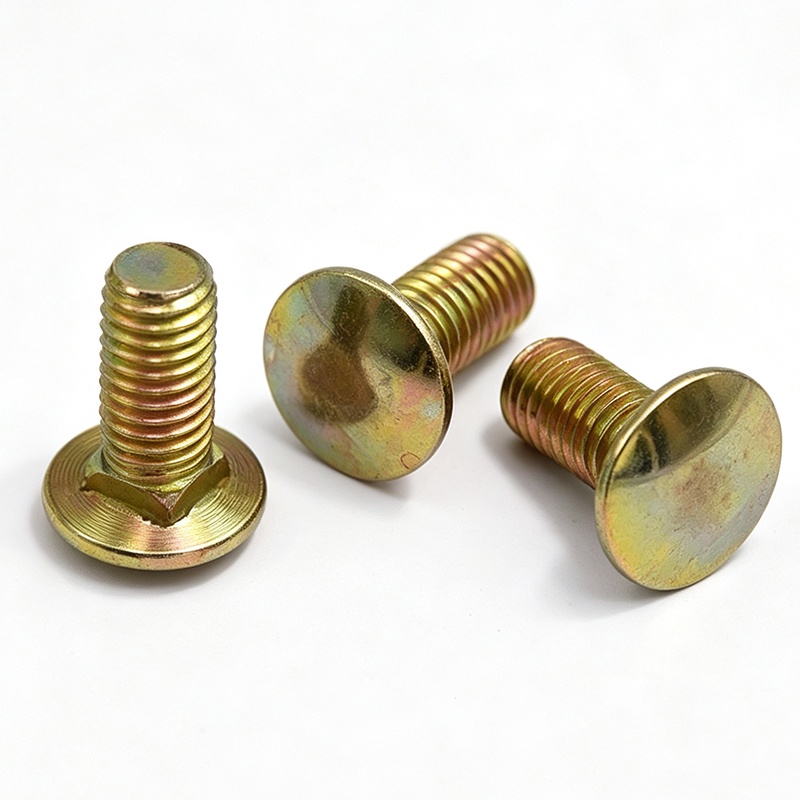 Stainless Steel Carriage Bolts with Corrosion Resistant Square Neck Bolts for Metal
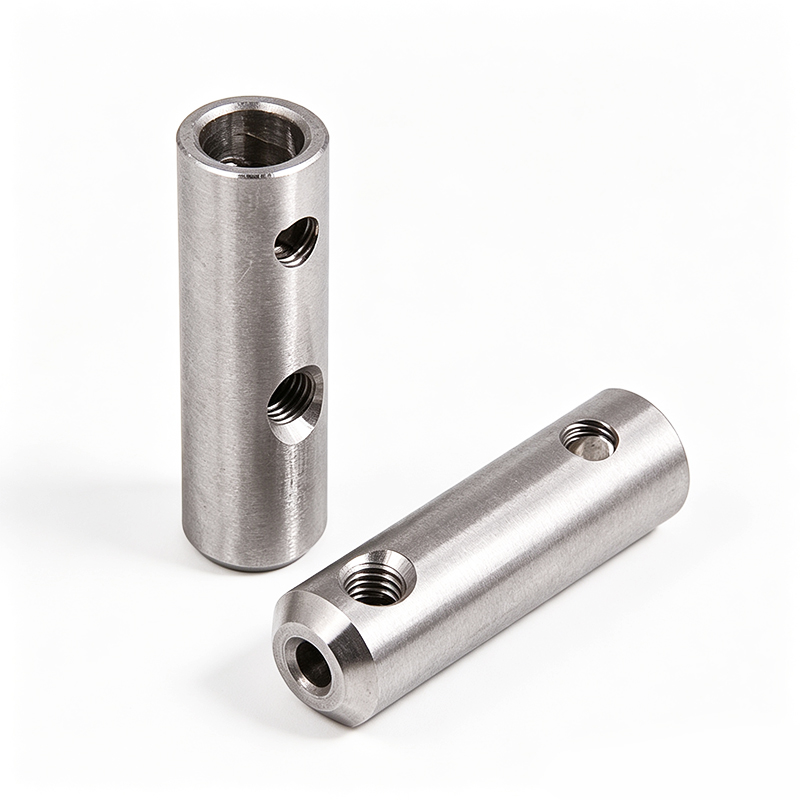 Stainless Steel Cylindrical Connector with Threaded Cross Holes
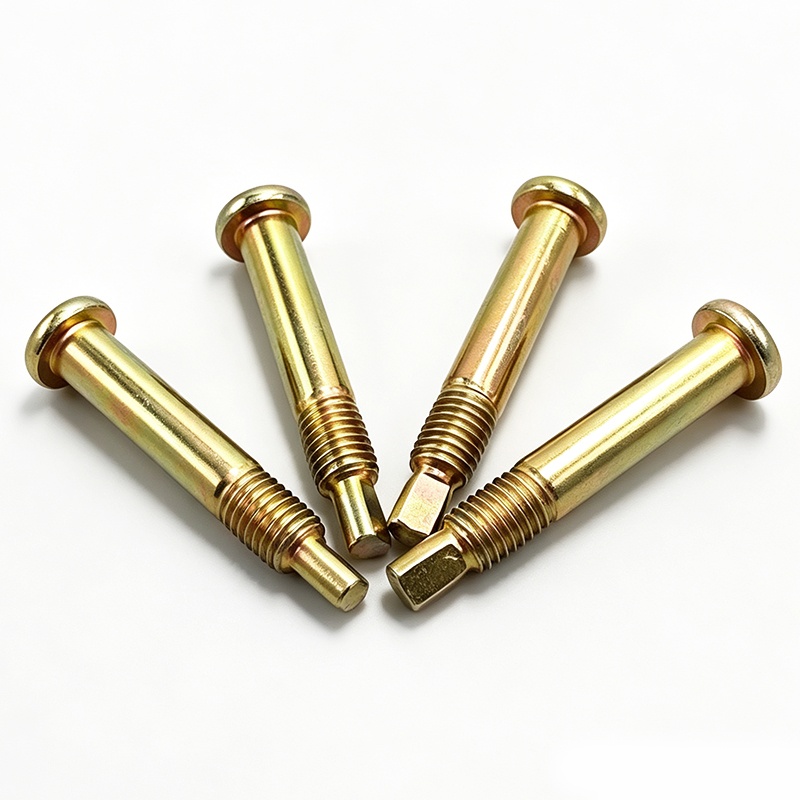 CNC Machined Stainless Steel Round Head Shoulder Bolts
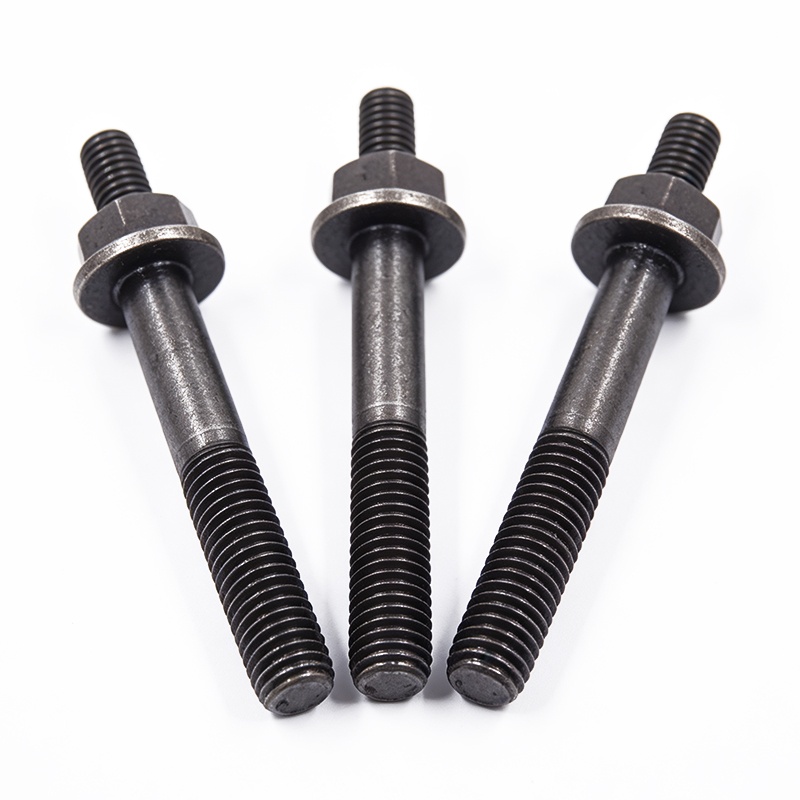 CNC Machined Stainless Steel Hex Flange Double Ended Stud Bolts for Industrial Fastening
 CNC Machined Bronze Flanged Bushing with Self Lubricating Wear Resistance
 Dacromet Disc Head Square Neck Carriage Bolt
Latest News
-
Precision Custom Fasteners from Wenzhou Riyi Standard Parts
2026-09-15Wenzhou Riyi Standard Parts is a reliable Chinese manufacturer focusing on custom non-standard fasteners, located in Wenzhou’s Binhai Economic Zone.
-
Aluminum Alloy Flange Bolts, Ball Head Studs & Dacromet Carriage Bolts – Reliable Fastener Startup Business
2026-09-08Fasteners are essential basic components widely used in machinery, automotive, engineering and equipment assembly industries.
-
The Key Role of Precision Hardware Parts in Modern Mechanical Assembly
2026-09-04In the fast-developing field of modern mechanical manufacturing and equipment assembly, tiny hardware accessories are often the core factors that determine the stability, durability and safety of the entire device.
-
Two Practical Hardware Parts in Mechanical Assembly
2026-08-25Machine manufacturing and equipment assembly all rely on standard hardware parts. They make industrial equipment more stable and better positioned.