Products


CNC Machined Stainless Steel Hex Flange Double Ended Stud Bolts for Industrial Fastening
Hex Flange Double-Ended Stud is a hex flange double-ended stud designed for high-strength mechanical connections. Both ends of the product are threaded, and the middle is a polished rod positioning section.
Send Inquiry
Product Description
Product overview
Hex Flange Double-Ended Stud is a hex flange double-ended stud designed for high-strength mechanical connections. Both ends of the product are threaded, and the middle is a polished rod positioning section. It is treated with black oxidation/phosphating and has a dark gray matte surface. It is suitable for flange connections, mechanical equipment assembly and other occasions that need to bear larger loads, facilitate disassembly and repeated fastening. It is a stable and reliable connector in machinery manufacturing and equipment assembly.
Product features
1. Double-headed thread structure: both ends are processed with uniform fine threads, one end can be screwed into the base body, and the other end can be locked with a nut, and positioned in conjunction with the polished rod section. It has high connection strength and is easy to disassemble and assemble.
2. Polished rod positioning section: The surface of the middle polished rod is flat and smooth, and the screw-in depth is controllable, which can provide precise positioning and support and reduce wear of the threaded section.
3. Black anti-corrosion coating: The surface is treated with black oxidation/phosphating, giving it a dark gray matte texture. It has good anti-rust and corrosion resistance and is suitable for a variety of industrial environments.
4. High-strength material: Made of high-quality steel, the shaft is dense and has a uniform surface. It has reliable tensile and shear resistance and is suitable for long-term load-bearing use.
5. Precision machining: CNC turning forming, complete thread profile, consistent lead, stable dimensional tolerance, ensuring good cooperation with standard nuts.
Application areas
Hex Flange Double-Ended Stud is widely used in flange connections of mechanical equipment, assembly of engines and power units, fastening of pipes and valves, connection of structural parts, etc. It is especially suitable for connection parts that require regular disassembly and maintenance or bear bidirectional tensile loads. It is a commonly used fastener in machinery manufacturing and equipment maintenance.
Instructions for use
1. Inspection preparation: Before use, check whether the threads at both ends are intact, whether there are any bumps on the polished rod section, and clean the connection holes.
2. Screw-in installation: Screw one end of the stud into the threaded hole of the base body to the preset depth to ensure that the polished rod positioning section is in place.
3. Place the locking piece: insert the connected piece into the stud and screw on the matching nut on the other end.
4. Tighten and fix: Use a torque wrench to tighten the nut to the specified torque to complete the tightening; parts that are repeatedly disassembled and assembled can be retightened regularly.
5. Completion inspection: Confirm that all connection points are tightened in place and there is no looseness or deflection before putting it into use.
Maintenance
1. Regular inspection: Regularly check whether the nut is loose and whether the threads at both ends are worn, and retighten or replace it in time.
2. Cleaning and anti-rust: Keep the stud surface clean and dry to avoid corrosion caused by long-term humid environment, and reapply anti-rust oil when necessary.
3. Torque review: For the connection parts that are subject to alternating loads, review the torque periodically and keep records.
FAQ
Q: Are the thread lengths at both ends of the double-ended stud the same?
A: Not necessarily. The length of the threads at both ends can be designed according to the working conditions. One end is used to screw into the base body and the other end is used to lock the nut. It can also be of equal length and can be customized as needed.
Q: What is the function of the middle polished rod section?
A: The polished rod section is used for precise positioning and load-bearing. It controls the depth when screwed in, shares the shear load after installation, and improves connection stability.
Q: What is the function of the black coating?
A: Black oxidation/phosphating treatment can improve rust and corrosion resistance, and the surface is matte and non-reflective, making it suitable for a variety of industrial assembly environments.
Q: How to ensure the connection strength?
A: Please use a torque wrench to tighten according to the specified torque to ensure that the screw-in depth is sufficient and the polished rod is positioned in place; it is recommended to retighten the key load-bearing parts regularly.
Q: Can it be customized to non-standard sizes?
A: Yes, OEM/ODM customization is supported. The length, diameter, thread length at both ends, material and surface treatment can all be customized according to the drawings.
Send Inquiry
Related Products
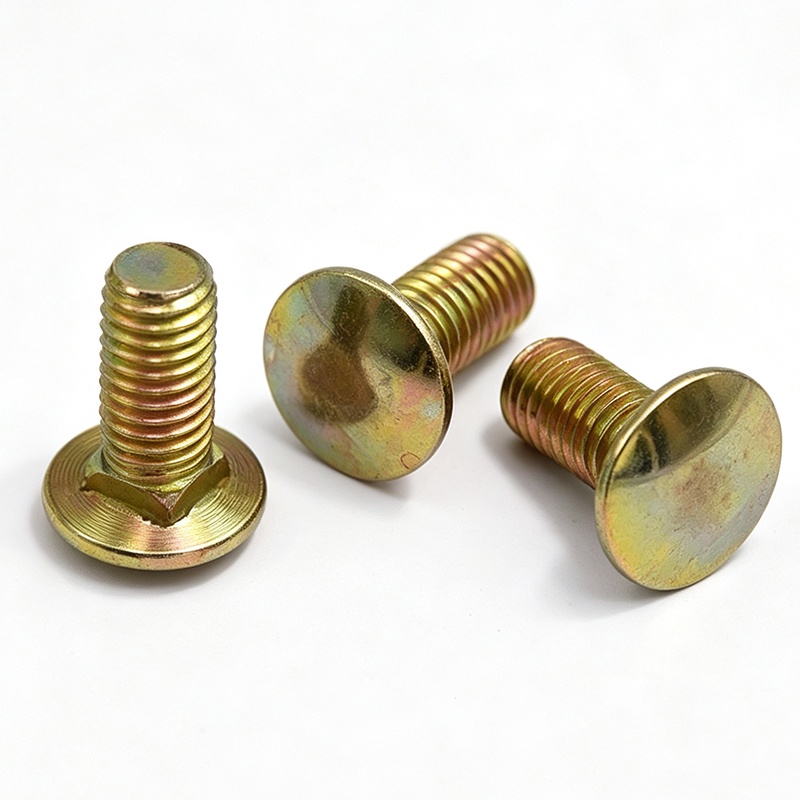 Stainless Steel Carriage Bolts with Corrosion Resistant Square Neck Bolts for Metal
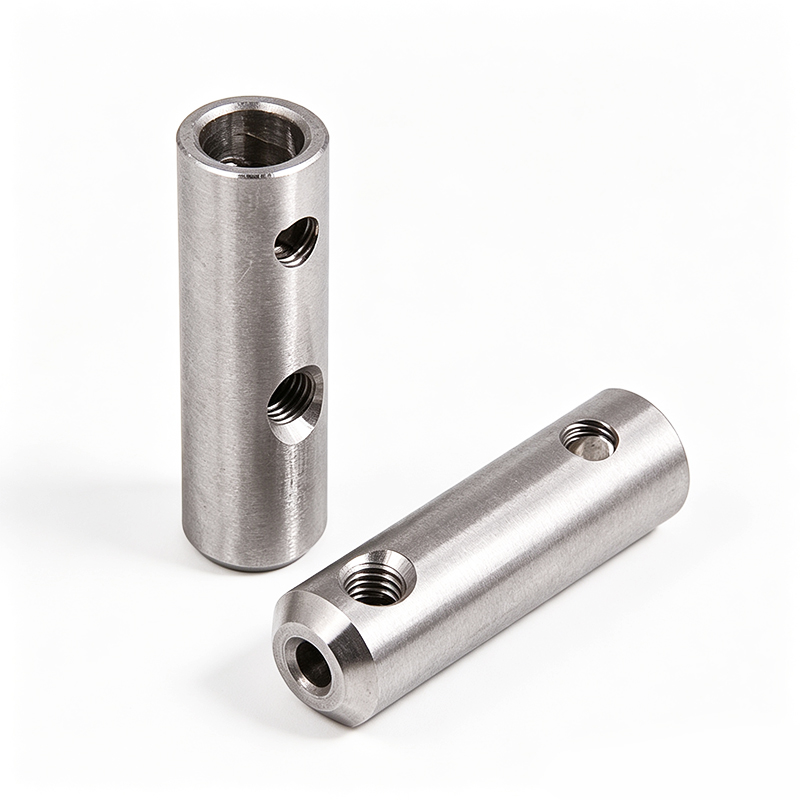 Stainless Steel Cylindrical Connector with Threaded Cross Holes
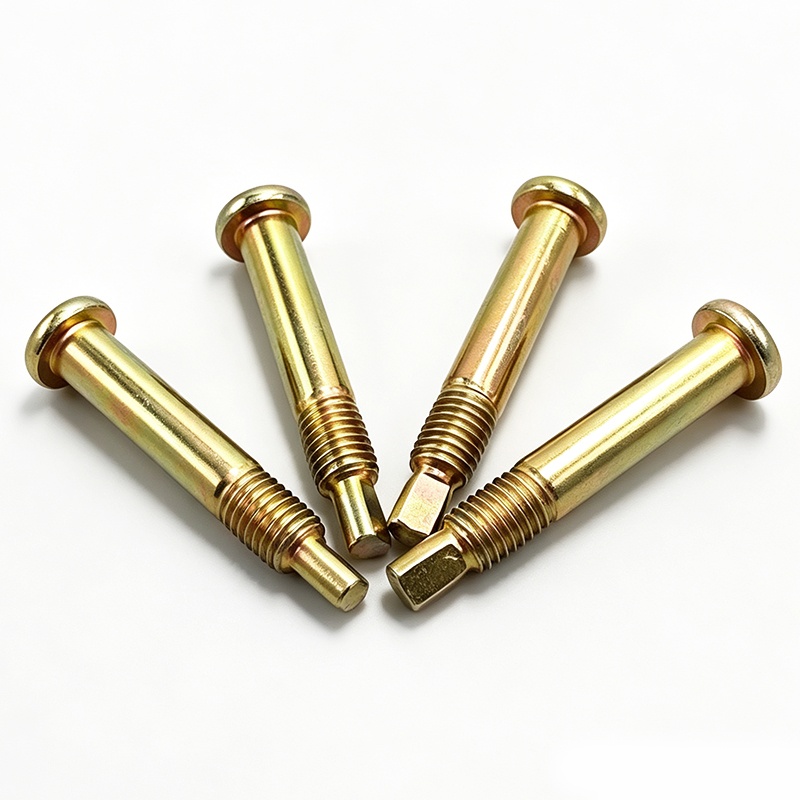 CNC Machined Stainless Steel Round Head Shoulder Bolts
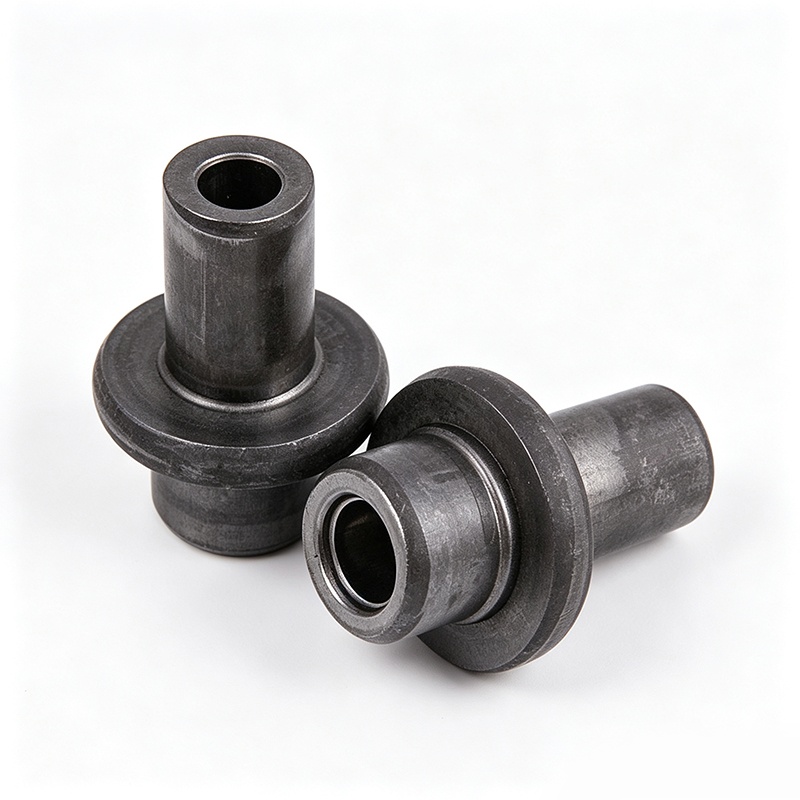 CNC Machined Bronze Flanged Bushing with Self Lubricating Wear Resistance
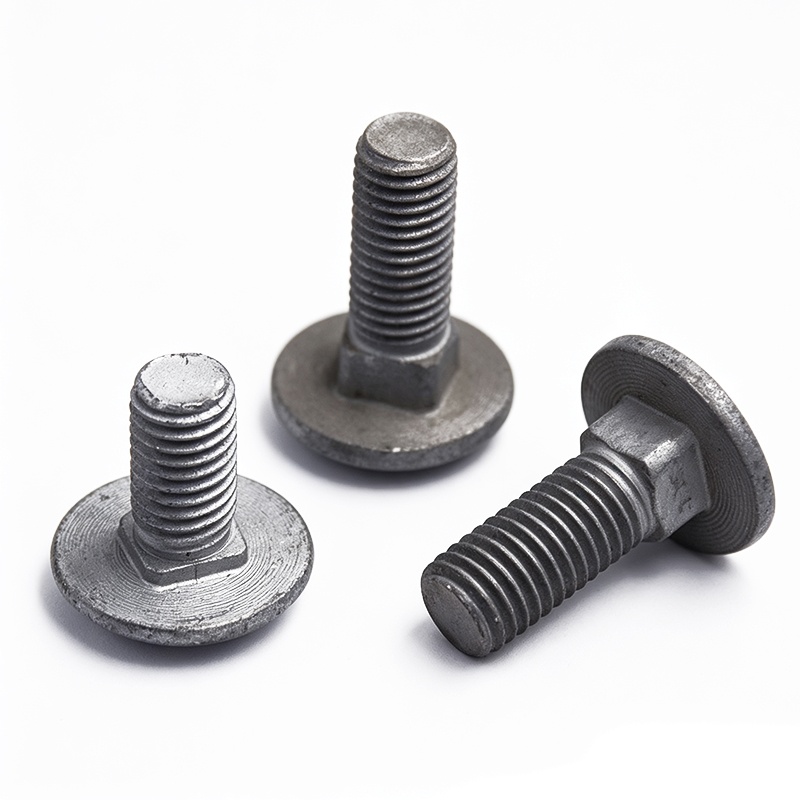 Dacromet Disc Head Square Neck Carriage Bolt
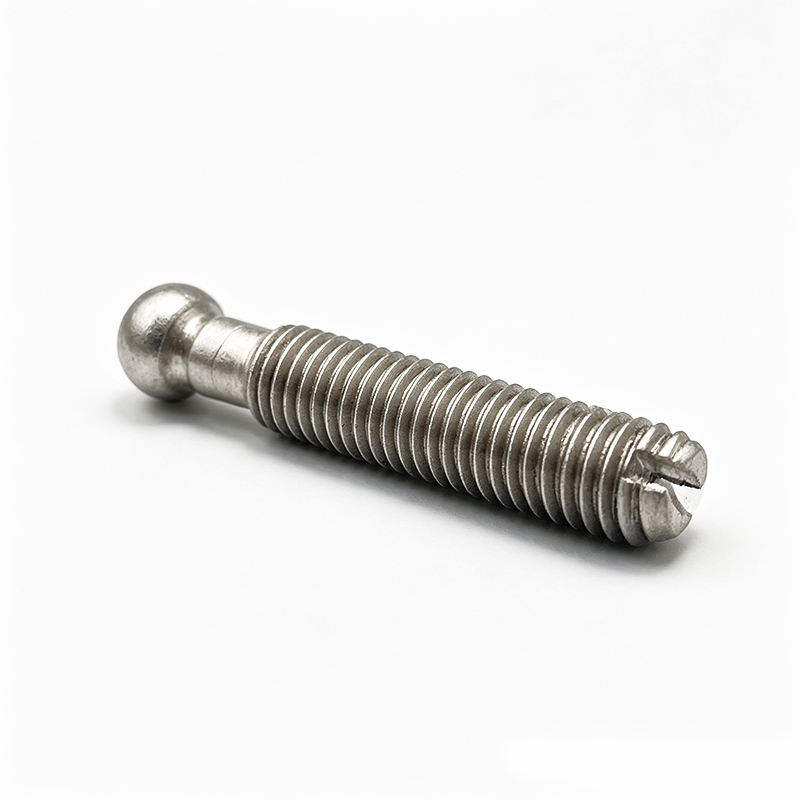 CNC Machined Stainless Steel Ball Head Bolts for Industrial Machinery
Latest News
-
Reliable Fasteners from Riyi Standard Parts
2026-10-19Hex nuts are one of the most widely used threaded fasteners in modern manufacturing and construction. Together with hex bolts, they form secure joining assemblies to lock components in place, resist vibration and bear mechanical loads.
-
Cold Heading Components: High-performance Fastener Solutions from Wenzhou Riyi Standard Parts Co., Ltd
2026-09-29Cold heading processing shapes metal wire under strong pressure at room temperature without cutting raw materials. Unlike traditional CNC machining, this technology preserves the continuous metal grain flow inside cold heading parts.
-
Special-shaped Bolts and Stainless Steel Double-ended Bolts from Wenzhou Riyi Standard Parts Co., Ltd
2026-09-23In modern mechanical manufacturing, construction engineering and equipment assembly, high-quality fasteners are the invisible foundation that guarantees structural safety and product stability.
-
Precision Custom Fasteners from Wenzhou Riyi Standard Parts
2026-09-15Wenzhou Riyi Standard Parts is a reliable Chinese manufacturer focusing on custom non-standard fasteners, located in Wenzhou’s Binhai Economic Zone.