Products


Stainless Steel Transverse Hole Hammer Nut
Stainless steel cross-hole hammer nut is a standard fastener made of austenitic stainless steel. It is specially designed to provide strong and reliable blind-end threaded connections on metal, wood and other base materials. Its main body is cylindrical, with an internal threaded hole at one end and a transverse through hole on the side.
Send Inquiry
Product Description
Product introduction
Stainless steel cross-hole hammer nut is a standard fastener made of austenitic stainless steel. It is specially designed to provide strong and reliable blind-end threaded connections on metal, wood and other base materials. Its main body is cylindrical, with an internal threaded hole at one end and a transverse through hole on the side. When installing, put the nut into the prefabricated hole, use a special tool to hammer down the locking pin in the transverse hole vertically, so that its tail expands, thereby firmly locking the nut in the base material hole to form a high-strength internal thread. This product is mainly used in various fields such as boxes, frames, mechanical equipment and furniture, and is especially suitable for closed or semi-closed structures that can only be operated on one side. It solves the problems of thermal deformation and welding process limitations of traditional welding nuts. It is easy to install and requires no special equipment. It provides a flexible and efficient thread solution for product structure design, and significantly improves the reliability and efficiency of assembly.
Product features
1. The installation method is unique and convenient. There are prefabricated horizontal holes on the side. During installation, you only need to put it into the pre-drilled hole in the base material, and use a standard punch to hammer the locking pin in the horizontal hole to expand its tail and lock it firmly in an instant. The entire process does not require welding or special power tools, and can be operated efficiently by a single person, which is especially suitable for on-site and narrow space operations.
2. Reliable mechanical locking structure: Mechanical expansion locking is achieved through plastic deformation caused by cold extrusion of metal, with excellent pullout and torsion resistance. After the locking pin is combined with the nut body, it can effectively withstand high-intensity vibration loads and prevent thread loosening. Its reliability is far superior to many friction fasteners.
3. Maintenance and compatibility advantages: The threaded holes remain clean and complete after installation, and standard bolts can be disassembled and assembled repeatedly. If maintenance or replacement is required, you only need to push out the old nut from the back and reinstall the new part. This will cause minimal damage to the base body, making it easier to maintain the equipment throughout its life cycle.
4. Material and process characteristics: Made of austenitic stainless steel, it has excellent corrosion resistance and anti-rust capabilities, and can adapt to harsh environments such as humidity and outdoors. Its cold heading forming process ensures the consistency and stability of product structural strength and dimensional accuracy.
Product application
1. Mechanical equipment and cabinet chassis are widely used in the assembly of various machine tool casings, control cabinets, electrical boxes, communication cabinets and automation equipment frames. On a closed structure that can only be operated on one side, it provides strong internal thread connection points for panels, brackets, hinges and other accessories, avoiding welding deformation and simplifying production and later upgrade maintenance.
2. Transportation and special vehicles: Commonly used in the fixation of interior panels of rail transit vehicles, the manufacture of commercial truck boxes, and the internal structural connections of RVs and special modified vehicles. Its excellent anti-vibration and anti-loosening properties can effectively cope with continuous vibration environments and ensure the long-term stability of key connection parts.
3. Building curtain walls and metal structures: Suitable for the installation of metal curtain wall frames, aluminum alloy doors and windows, lighting ceilings and indoor metal partition systems. The stainless steel material can withstand outdoor wind and rain erosion, provides a durable connection, and is quick to install without damaging the surface treatment of the profile.
4. Maintenance and on-site renovation projects are ideal for on-site equipment maintenance, reinforcement and renovation, and upgrading of old structures. High-strength threaded holes can be quickly created on existing base materials without the need for welding or complex equipment, significantly shortening the construction period and reducing construction difficulty.
5. High-end furniture and exhibition equipment: Used for high-quality metal furniture, shopping mall display racks, lighting support structures, etc. that require concealed and strong connections. It provides clean internal threads and achieves the unity of beauty and functionality.
FAQ
Q: When installing a cross-hole hammer nut, what are the requirements for the hole diameter of the base material?
A: There are precise requirements. The diameter of the pre-drilled hole in the base material should be a clearance fit to the outer diameter of the nut body (usually with a slight plus tolerance, please refer to the product specification sheet). If the hole diameter is too small, installation will be difficult; if the hole diameter is too large, the pullout strength and torsion resistance will be reduced, affecting reliability.
Q: Can stainless steel cross-hole hammer nuts be disassembled or reused?
A: The nut itself is a one-time use piece. After installation, the expansion deformation of the locking pin is permanent and irreversible. If disassembly is required, the entire nut can usually only be destroyed by ejecting it from the back of the base material. During maintenance, a new nut of the same specification needs to be installed in the original hole position.
Q: What are the key steps that need to be paid attention to during installation?
A: The key steps include: Drilling: Make sure the diameter and depth of the substrate hole meet the requirements, and clean the debris in the hole. Put the nut in: Push the nut completely into the hole, making sure its end is flush with or slightly lower than the substrate surface. Alignment hammering: Use a special punch pin of matching size to vertically align the center of the locking pin in the cross hole. Hammer evenly: Use a hammer to drive the locking pin in completely with even force until its end face is flush with or slightly lower than the outer circle of the nut, and you feel an obvious "in place" feeling.
Send Inquiry
Related Products
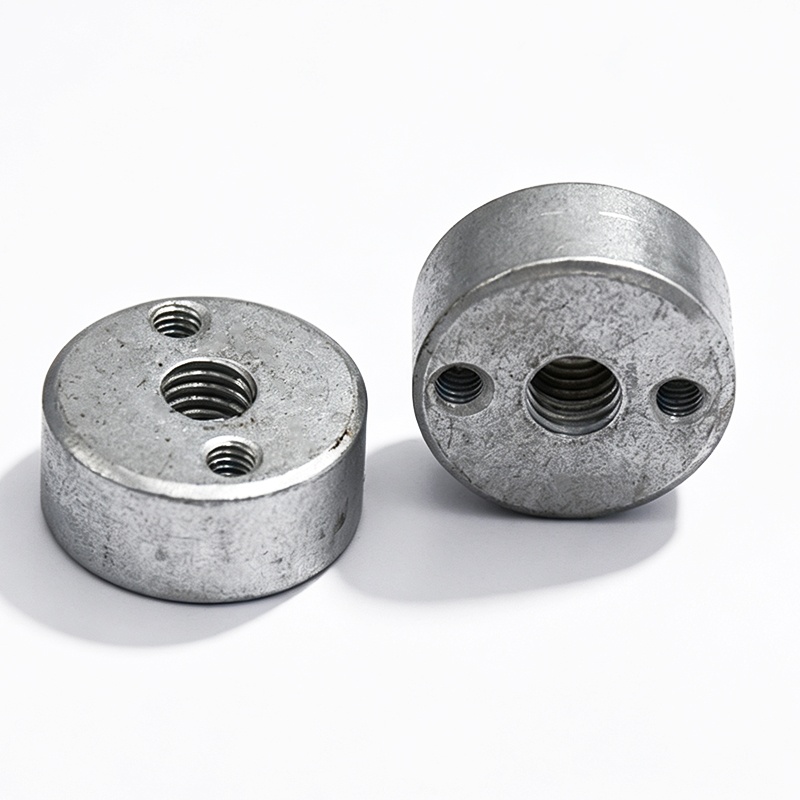 Three Hole Round Plate Nuts with Threaded Plate Fasteners for Metal and Machinery
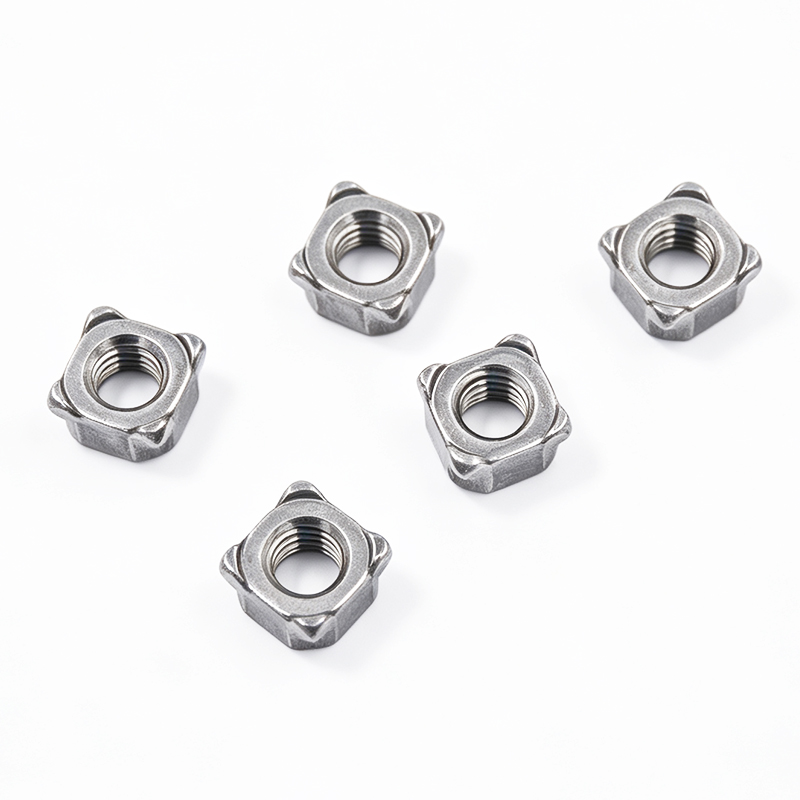 Carbon Steel Square Weld Nuts with Heavy Duty Threaded Nuts for Welding Applications
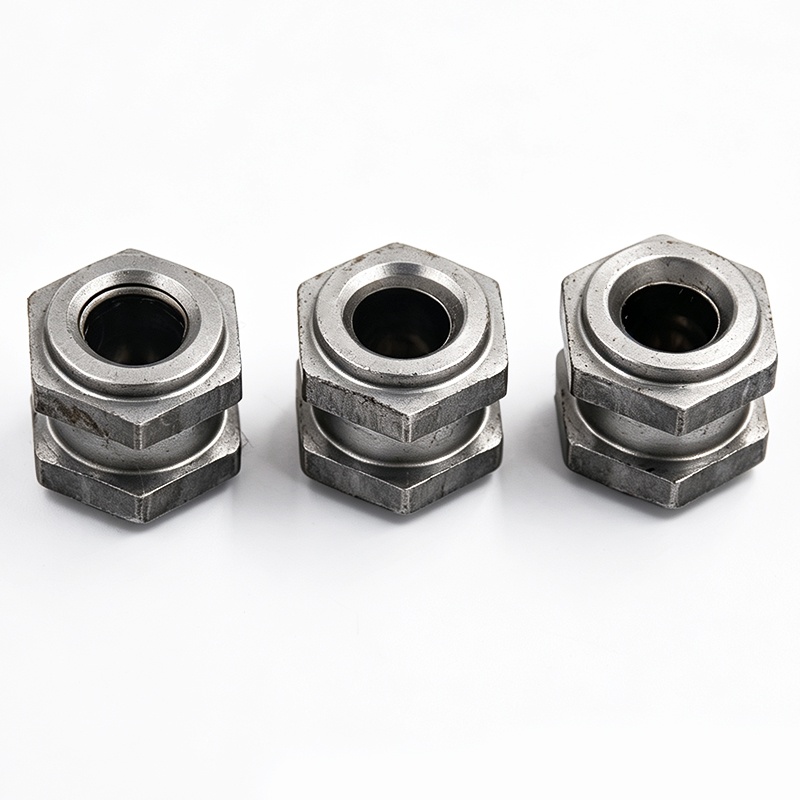 Non Standard Stainless Steel CNC Machined Special Shaped Nuts
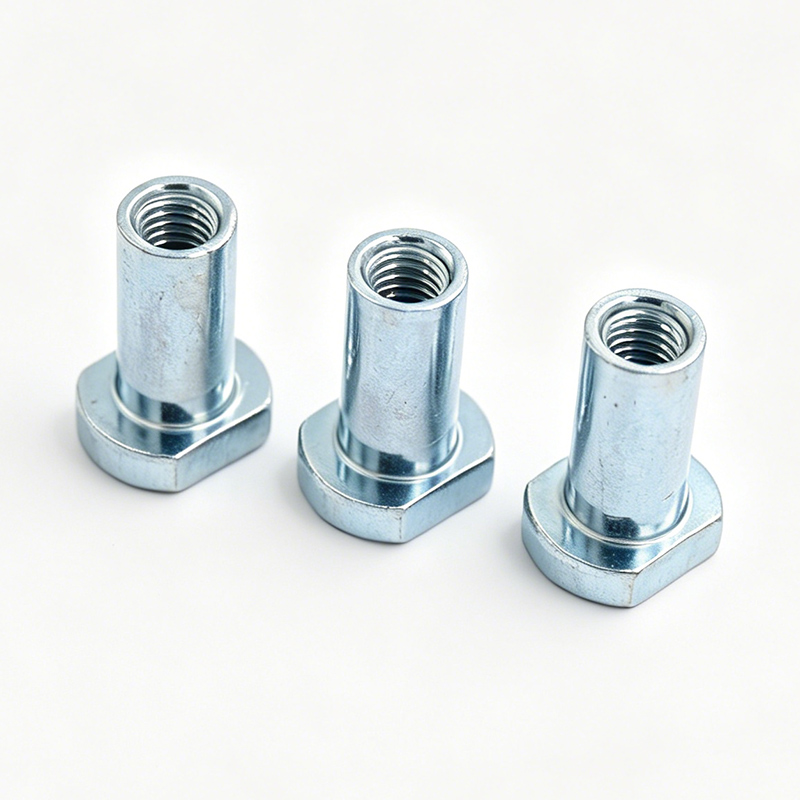 Non-Standard Special-Shaped Nuts
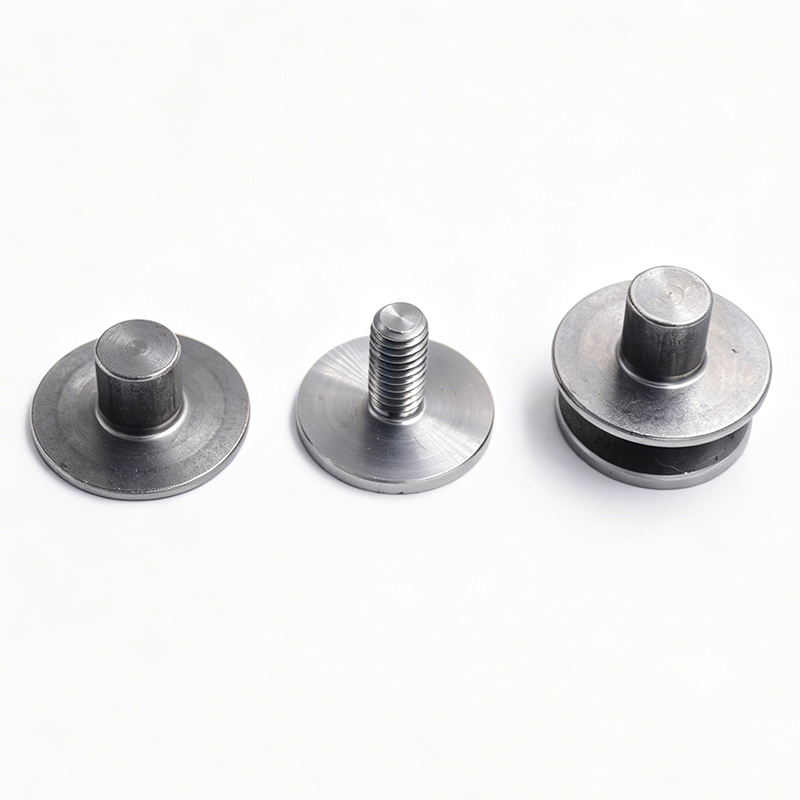 Knurled Cylindrical Or External Hexagonal Locking Screws And Nuts
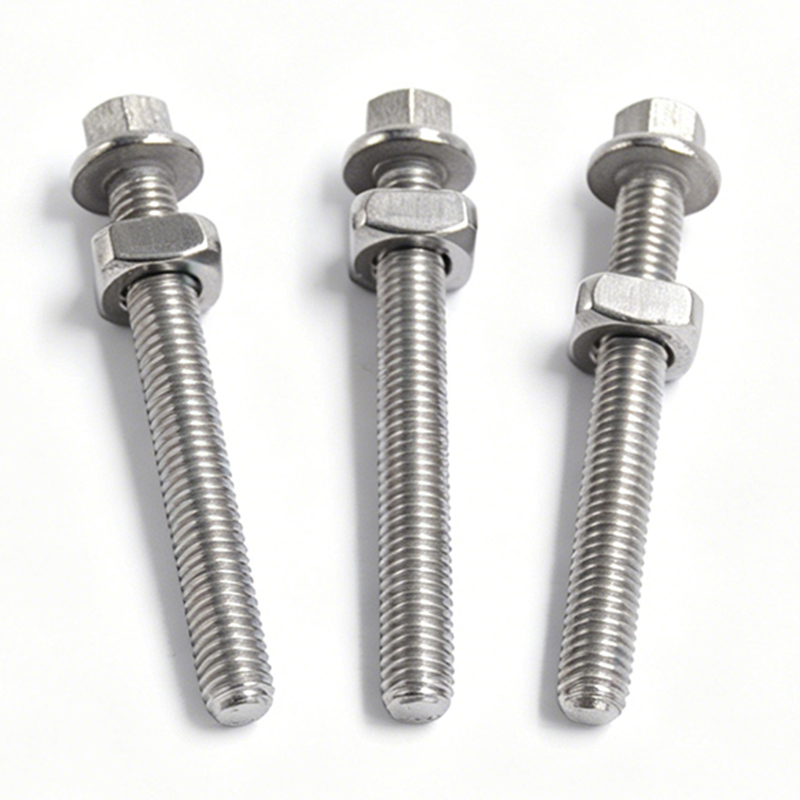 Flange Bolts With Square Nuts
Latest News
-
Cold Heading Components: High-performance Fastener Solutions from Wenzhou Riyi Standard Parts Co., Ltd
2026-09-29Cold heading processing shapes metal wire under strong pressure at room temperature without cutting raw materials. Unlike traditional CNC machining, this technology preserves the continuous metal grain flow inside cold heading parts.
-
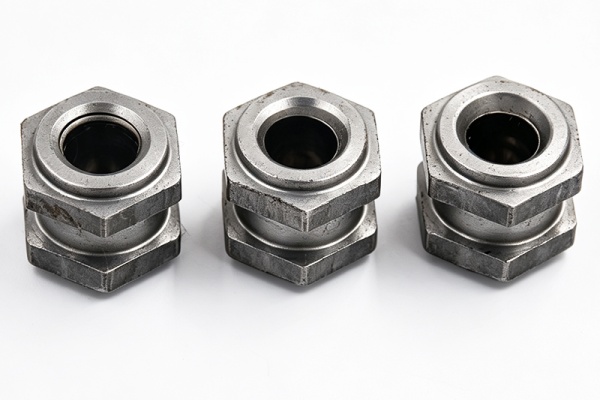
Special-shaped Bolts and Stainless Steel Double-ended Bolts from Wenzhou Riyi Standard Parts Co., Ltd
2026-09-23In modern mechanical manufacturing, construction engineering and equipment assembly, high-quality fasteners are the invisible foundation that guarantees structural safety and product stability.
-
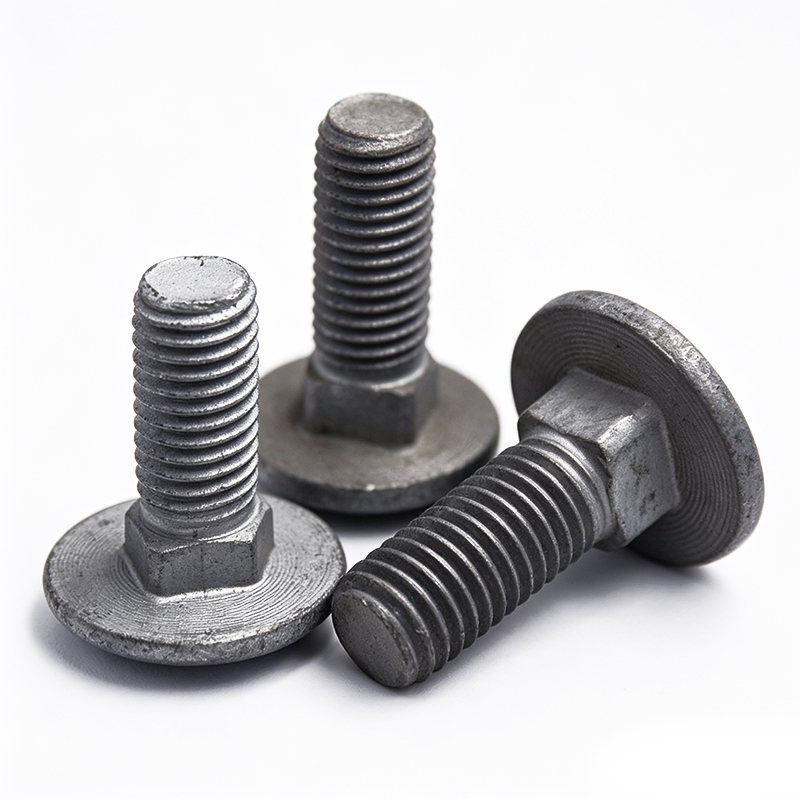
Precision Custom Fasteners from Wenzhou Riyi Standard Parts
2026-09-15Wenzhou Riyi Standard Parts is a reliable Chinese manufacturer focusing on custom non-standard fasteners, located in Wenzhou’s Binhai Economic Zone.
-
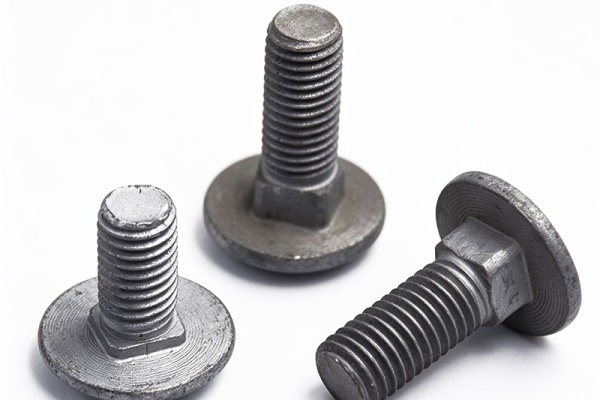
Aluminum Alloy Flange Bolts, Ball Head Studs & Dacromet Carriage Bolts – Reliable Fastener Startup Business
2026-09-08Fasteners are essential basic components widely used in machinery, automotive, engineering and equipment assembly industries.