Products


Hexagonal Column T-Cap Through Hole Nut
Hexagonal column T cap through hole nut is a fastener product with unique structure and integrated functions. It has an innovative design based on the traditional hexagonal nut, integrating the nut body with a "T"-shaped cap structure (or flange surface, washer-type base), forming an appearance that combines a hexagonal columnar main body with a through-hole structure.
Send Inquiry
Product Description
Product introduction
Hexagonal column T cap through hole nut is a fastener product with unique structure and integrated functions. It has an innovative design based on the traditional hexagonal nut, integrating the nut body with a "T"-shaped cap structure (or flange surface, washer-type base), forming an appearance that combines a hexagonal columnar main body with a through-hole structure. The core structure of this product is: the upper part is a standard or elevated hexagonal cylinder, which is convenient for tightening operations with a conventional wrench; the middle part is a through-hole thread that runs through the entire length of the nut, used to cooperate with bolts or screws; and the lower part is a round or special-shaped "T" cap base with a radial size larger than the hexagonal cylinder. This base functions as a built-in flat washer, providing a larger support surface and pressure-bearing area when tightening.
Its typical application scenarios are wide, including steel structure connection, mechanical equipment assembly, guardrail bracket fixing, automated assembly line frame construction, and various occasions where fastening points need to be hidden under the plate or the installation surface is required to be smooth and beautiful. The through-hole design allows bolts to penetrate from either end, providing installation flexibility; while the integrated T-cap structure effectively disperses load pressure, protects the connected surface, and prevents the nut from sinking into soft materials due to over-screwing.
Product features
Integrated integrated design, functional integration:
This product exquisitely integrates the traditional "hexagonal nut", "flat washer" and "flange face" functions into one. The lower T-shaped cap serves as an integral base, eliminating the need for additional gaskets, simplifying the material management and assembly process, and avoiding the risk of missing gaskets.
Large pressure-bearing surface, equal emphasis on protection and stability:
The T-cap at its base forms a support plane that is significantly larger than the diameter of the thread. This design can effectively disperse the fastening pressure and load, prevent indentation or damage to the connected parts (especially soft or fragile surfaces such as wood, thin-walled metal, and plastic), while enhancing the stability of the connection and resisting loosening.
Through-hole thread, flexible installation in both directions:
The nut body is designed with a full through hole thread, allowing the bolt or screw to be screwed in smoothly from either end. This provides great flexibility for assembly, and is particularly suitable for installation from the back of the component, blind hole operations, or complex scenarios that require adjustment of the installation direction.
Hexagonal column structure provides ample operating space:
The hexagonal cylinder on the upper part of the nut provides a standard and reliable wrench operating surface. Compared with ordinary nuts, the height of the cylinder is sometimes moderately increased, which makes installation and disassembly more convenient and reliable when additional engagement thread length is required or the tool operating space is limited.
Smooth appearance, both practical and beautiful:
After installation, the T-cap base can adhere closely to the surface, providing a smooth installation effect. This not only reduces protrusions, improves safety, but also makes the appearance cleaner. It is often used in the visible joints of frames, guardrails, display equipment and other products that have certain requirements on appearance.
Anti-loosening and anti-rotation potential:
The bottom surface of some designed T-caps may have toothed or anti-slip textures, which can engage the connected surface when tightening, providing additional anti-rotation and anti-loosening capabilities, especially suitable for environments with vibration or dynamic loads.
Product application
1. Structural frame and metal component assembly: widely used in factory equipment racks, automated assembly line supports, shelf systems, workbenches and the connection of various steel structure modules. The T-cap base can effectively distribute the load, prevent thin-walled profiles from deforming, and make the nut side look smooth and avoid sharp protrusions.
2. Fixing of guardrails, fences and outdoor facilities: widely used in fixing columns and base plates of balcony guardrails, stair handrails, road partitions, public seats and other facilities. Its through-hole design makes it easy to install from the inside or on the ground. The wide base can be firmly supported on the bottom plate, enhancing its ability to resist overturning, and its flat appearance is safer and more beautiful.
3. Fastening of plates and thin-walled materials: It is especially suitable for fixing components to soft or fragile materials such as color steel plates, aluminum-plastic plates, synthetic wood boards or fiberglass boards. The T cap can provide a contact area much larger than the thread diameter, which acts like a built-in large washer to prevent the material from being crushed or torn during tightening.
4. Space-limited occasions that require back installation or blind installation: In scenarios such as inside equipment that can only be operated on one side or where the installation space is narrow, box assembly, and back fixing of decorative panels, its through-hole feature allows bolts to penetrate nuts from any direction (such as from inside the equipment) for tightening, which solves the limitation that traditional nuts must be installed from a specific direction.
5. Visible connection points that require product appearance: often used in exhibition display equipment, commercial furniture, high-end instrument casings, sports equipment and other products. Its flat T-cap surface can be used as a visible part of the finished product, with a clean appearance and can prevent clothing or skin from being scratched by the sharp corners of standard nuts.
6. Access points that require frequent disassembly and maintenance: At the fixing points of equipment access covers, panels, filters or adjustable components, this nut provides a stable support surface and convenient operability, allowing for repeated disassembly and assembly without damaging the main structure.
FAQ
Q: What is the difference between this nut and "hexagonal flange nut"?
A: The functions of the two are similar, but the structural focus is different. Hexagonal cylindrical T-cap through-hole nuts usually refer to one-piece nuts with a hexagonal cylindrical shape and a larger round T-cap base. The through-hole design is one of its main features. The hexagonal flange nut usually refers to a flange plate (which may be toothed) integrated at the lower end of the standard hexagonal nut. Its body is not necessarily a full-height hexagonal column, and more emphasis is placed on the anti-loosening function of the flange surface. Can be regarded as different forms under the same category.
Q: Are the dimensions of T-cap bases standardized?
A: There is no absolute unified standard. The diameter and thickness of the T cap will vary according to different manufacturers, product series and nut specifications (such as M8, M10). When selecting, the appropriate base size needs to be confirmed based on the required pressure-bearing area and the strength of the materials being connected. Key dimensions such as base diameter will be clearly marked in the product specification sheet.
Q: How to prevent loosening of this nut?
A: Mainly through two methods: 1) Mechanical anti-loosening: The bottom surface of the T cap of some products is designed with radial tooth patterns or knurling, which can bite into the connected surface when tightening, effectively resisting rotational looseness caused by vibration. 2) Friction and anti-loosening: The wide base provides a larger friction contact surface and increases loosening resistance. For extremely high vibration environments, it is recommended to evaluate whether additional anti-loosening measures are needed.
Send Inquiry
Related Products
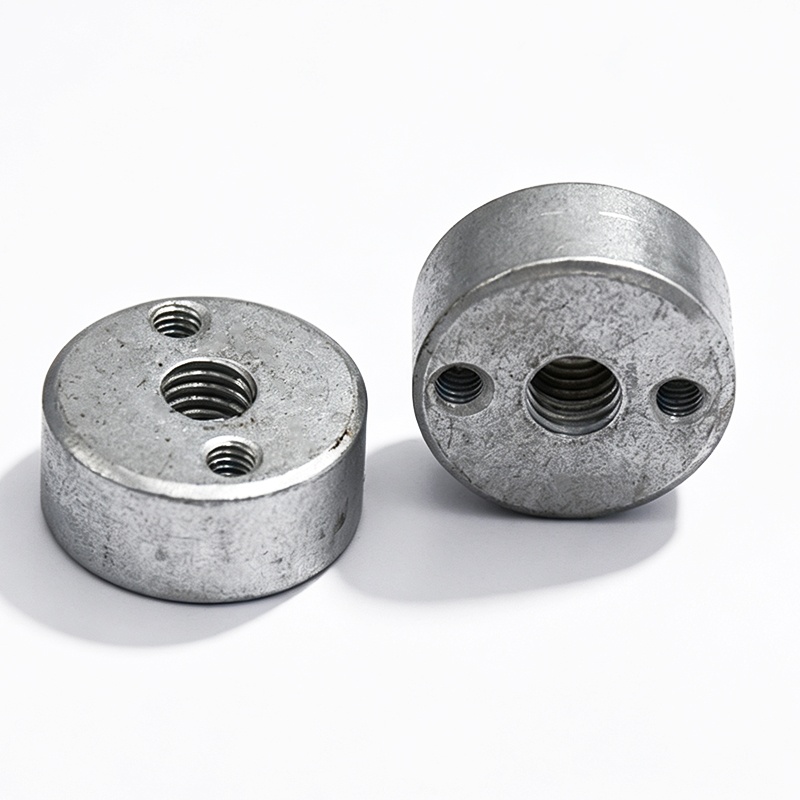 Three Hole Round Plate Nuts with Threaded Plate Fasteners for Metal and Machinery
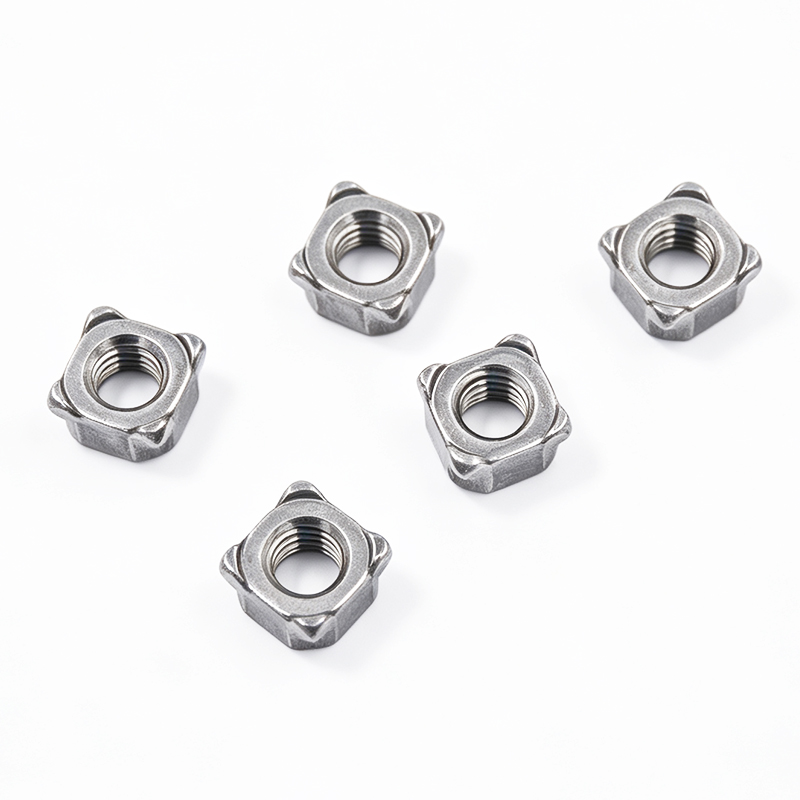 Carbon Steel Square Weld Nuts with Heavy Duty Threaded Nuts for Welding Applications
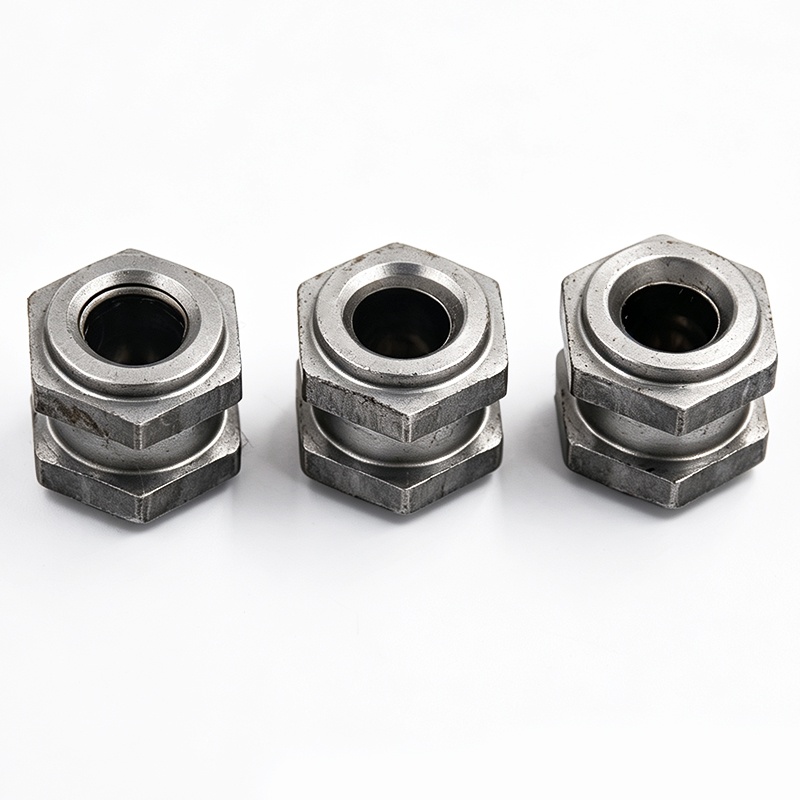 Non Standard Stainless Steel CNC Machined Special Shaped Nuts
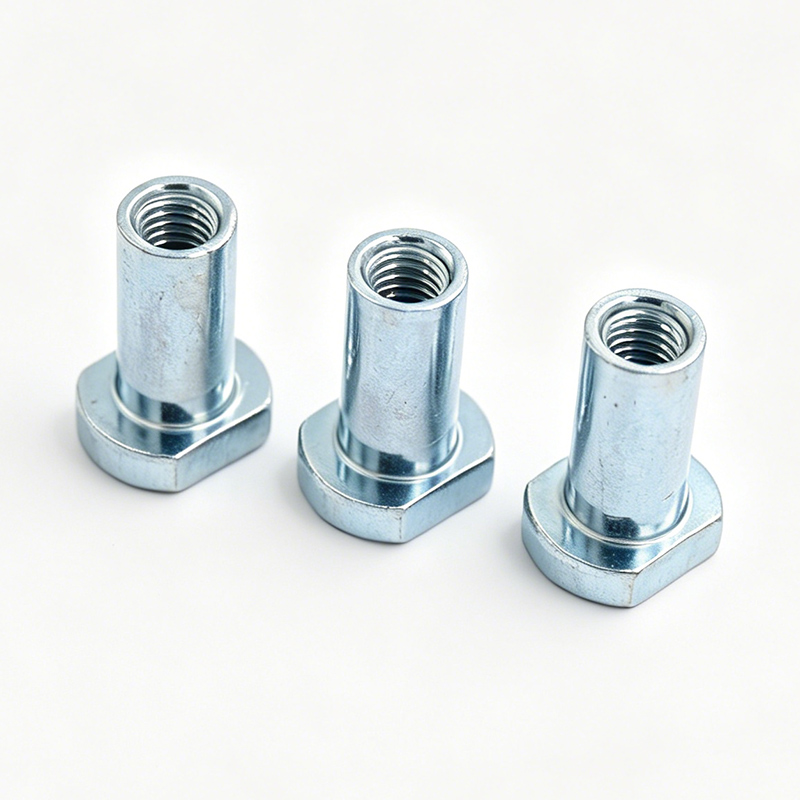 Non-Standard Special-Shaped Nuts
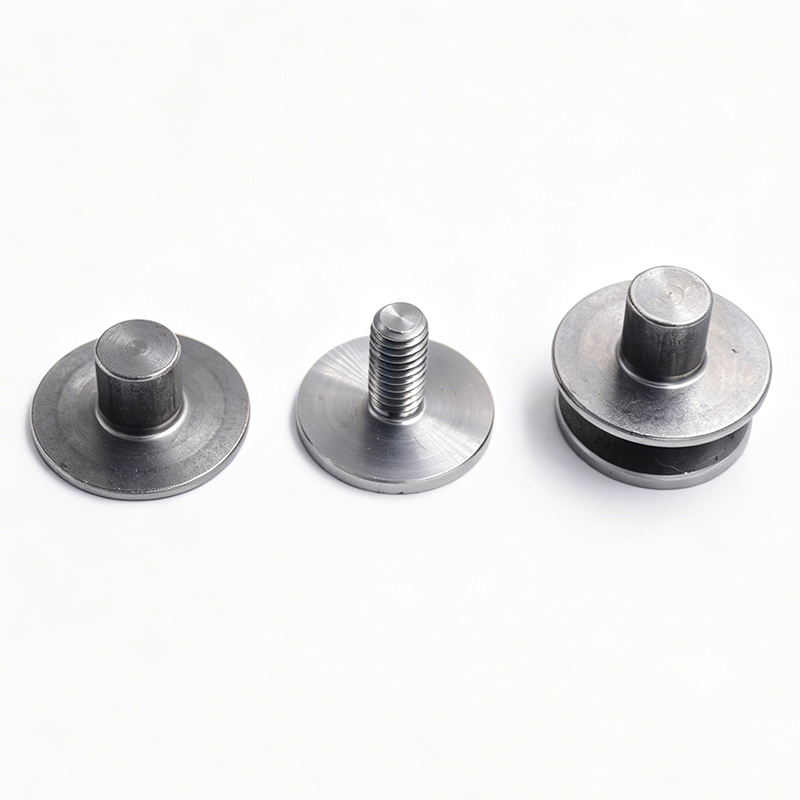 Knurled Cylindrical Or External Hexagonal Locking Screws And Nuts
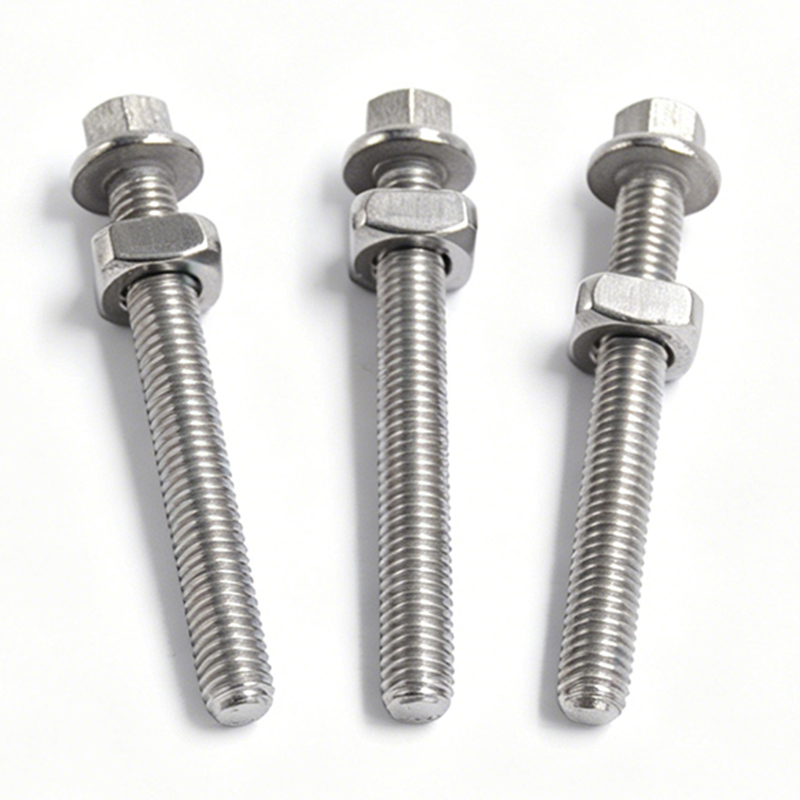 Flange Bolts With Square Nuts
Latest News
-
Cold Heading Components: High-performance Fastener Solutions from Wenzhou Riyi Standard Parts Co., Ltd
2026-09-29Cold heading processing shapes metal wire under strong pressure at room temperature without cutting raw materials. Unlike traditional CNC machining, this technology preserves the continuous metal grain flow inside cold heading parts.
-
Special-shaped Bolts and Stainless Steel Double-ended Bolts from Wenzhou Riyi Standard Parts Co., Ltd
2026-09-23In modern mechanical manufacturing, construction engineering and equipment assembly, high-quality fasteners are the invisible foundation that guarantees structural safety and product stability.
-
Precision Custom Fasteners from Wenzhou Riyi Standard Parts
2026-09-15Wenzhou Riyi Standard Parts is a reliable Chinese manufacturer focusing on custom non-standard fasteners, located in Wenzhou’s Binhai Economic Zone.
-
Aluminum Alloy Flange Bolts, Ball Head Studs & Dacromet Carriage Bolts – Reliable Fastener Startup Business
2026-09-08Fasteners are essential basic components widely used in machinery, automotive, engineering and equipment assembly industries.