Products


Hexagon Nylon Insert Lock Nut
The hexagonal nylon lock nut is a fastening nut with an annular nylon ring embedded in the standard hexagonal nut. It uses nylon elasticity to tighten the thread to achieve efficient locking.
Send Inquiry
Product Description
Product introduction
The hexagonal nylon lock nut is a fastening nut with an annular nylon ring embedded in the standard hexagonal nut. It uses nylon elasticity to tighten the thread to achieve efficient locking. As an important auto parts nut, it is widely used in key parts such as chassis suspension, engine periphery, and body structure to meet stringent anti-loosening requirements under vibration conditions.
In actual applications, it is difficult for standard specifications to completely match the diverse assembly requirements, so a large number of non-standard nuts are used for special adaptation. For special structural requirements, we can develop special-shaped nuts, such as flange nylon lock nuts, thin structures, guide structures, etc. It supports full-process customization of thread specifications, hexagonal dimensions, flange structures and high and low-temperature resistant materials, provides one-stop service from sample development to batch delivery, and ensures product reliability through the IATF 16949 quality system.
Product design and features
Nylon insert anti-loosening: the annular nylon ring and the bolt thread form a 360° elastic hold, without relying on external washers or chemical glue, and the anti-loosening performance is stable and reliable
Reusable: Nylon inserts have good elastic recovery capabilities and maintain anti-loosening effect within the rated number of uses.
Standard hexagonal shape: adopts standard hexagonal head design, suitable for universal wrench tools, easy to install
Temperature adaptability: Nylon material adapts to the normal operating temperature range of -50°C to +120°C
No additional anti-loosening measures are required: a single part can effectively prevent loosening and simplify the assembly process
As a classic type of fastening nut, in addition to standardization, hexagonal nylon lock nuts can also develop special-shaped nuts according to customer needs, such as flange nylon lock nuts, thin nylon lock nuts, non-standard opposite side dimensions, etc.
Materials and application areas
Carbon steel: Performance level 8, 10, 12, surface treatment including galvanizing, Dacromet, phosphating, etc.
Stainless steel: SUS304, SUS316, suitable for corrosion-resistant environments
Alloy steel: used in special occasions with high strength requirements
Nylon insert:
High-quality polyamide (PA66), with good elasticity, wear resistance and anti-aging properties
Special materials such as high-temperature resistant nylon and low-temperature resistant nylon can be selected according to different environments.
Application areas:
Automobile manufacturing: As core auto parts nuts, they are widely used in key parts such as chassis suspension systems, engine peripheries, gearbox connections, body structural parts, seat fixings, etc., to meet the automotive industry's stringent requirements for anti-loosening reliability under vibration conditions.
Engineering machinery and agricultural machinery: suitable for high vibration and high impact working environments
Rail transit: used for train bogies, electrical cabinets, interior fixtures, etc.
Wind power generation: used for tower connection and equipment fixation inside the cabin
Home appliances and office equipment: Suitable for washing machines, air conditioners, fitness equipment and other equipment with vibration sources
Quality control and certification system
Raw material control:
Steel: 100% batch re-inspection to ensure that the chemical composition and mechanical properties comply with standards
Nylon material: Batch testing of hardness, elastic recovery rate, and temperature resistance
Process control:
Cold heading molding: Dimensional SPC monitoring to ensure hexagonal dimensions and nut height accuracy
Tapping process: 100% online inspection of thread pass and stop gauges
Nylon insert injection molding: Injection temperature, pressure, and curing time are strictly monitored to ensure that the nylon and nut body are firmly combined.
Surface treatment: salt spray test, hydrogen embrittlement test
Finished product testing:
Full size inspection: 100% optical screening of key dimensions
Mechanical properties: Guaranteed load, hardness test
Anti-loosening performance test: locking torque test, vibration anti-loosening test (according to GB/T 10431, ISO 16130 standards)
Reusable performance test: simulates the degradation of anti-loosening performance after repeated disassembly and assembly
Certification system
ISO 9001, IATF 16949 (automotive industry quality management system)
Products meet RoHS and REACH environmental protection requirements
PPAP (Production Part Approval Process) level three document package available
Third-party testing reports (such as SGS, TÜV) can be provided
For nuts with special shapes and non-standard nuts, we have established a special quality control process, from mold verification, first article confirmation to process capability analysis, to ensure that each customized product maintains a stable quality level even as the structural complexity increases.
Customized services
Structural customization: Flange structure: add an integrated flange, replace the gasket, improve the load-bearing surface and anti-loosening effect
Thin design: reduces nut height, suitable for installation locations with limited space
Guide structure: Add guide openings or chamfers to facilitate automated assembly
Error-proofing design: Add positioning bumps, color mark recognition, etc.
Size and thread customization: Thread specifications: metric (M3 – M36), inch, American and non-standard threads
Hexagonal dimensions across flats: standard flats, non-standard flats (such as thinning, thickening)
Outline: round, square, finned and other special shaped nuts
Material and performance customization: high strength grade: grade 10, grade 12 carbon steel
Corrosion resistance: stainless steel, Dacromet coating, hot-dip galvanizing
Special environment: high temperature resistant nylon (maximum +200°C), low temperature resistant nylon (minimum -70°C)
Functional integration: assembly design: nut + washer integration
Sealing function: Nylon insert has dual functions of anti-loosening and sealing
Development mode: supports customization of drawings, reverse engineering, and joint design
Sample cycle: 7–15 days, mass production cycle: 25–35 days
FAQ
Q: What is the anti-loosening principle of hexagonal nylon lock nut?
A: The inner diameter of the nylon insert is slightly smaller than the outer diameter of the bolt thread. When the bolt is screwed in, the nylon ring is squeezed to produce elastic deformation, forming a 360° radial holding force on the thread, thereby effectively preventing vibration and loosening. This is a physical method of locking that does not rely on external gaskets or chemical glue.
Q: In the automotive field, where are hexagonal nylon locking nuts mainly used? Are they standard auto parts nuts?
A: Yes, hexagonal nylon locking nuts are typical automotive parts nuts and are widely used in key parts such as chassis suspension, engine periphery, gearbox, body structure, and seat fixation. Its excellent anti-vibration and anti-loosening properties meet the stringent requirements of the automotive industry for connection reliability.
Q: Can hexagonal nylon locking nuts be reused?
A: Can be reused. Nylon inserts have good elastic recovery capabilities and can maintain effective anti-loosening performance within the rated number of uses (generally 5-10 times). However, if the nylon ring is significantly deformed, aged or worn, it is recommended to replace it to ensure the anti-loosening effect.
Send Inquiry
Related Products
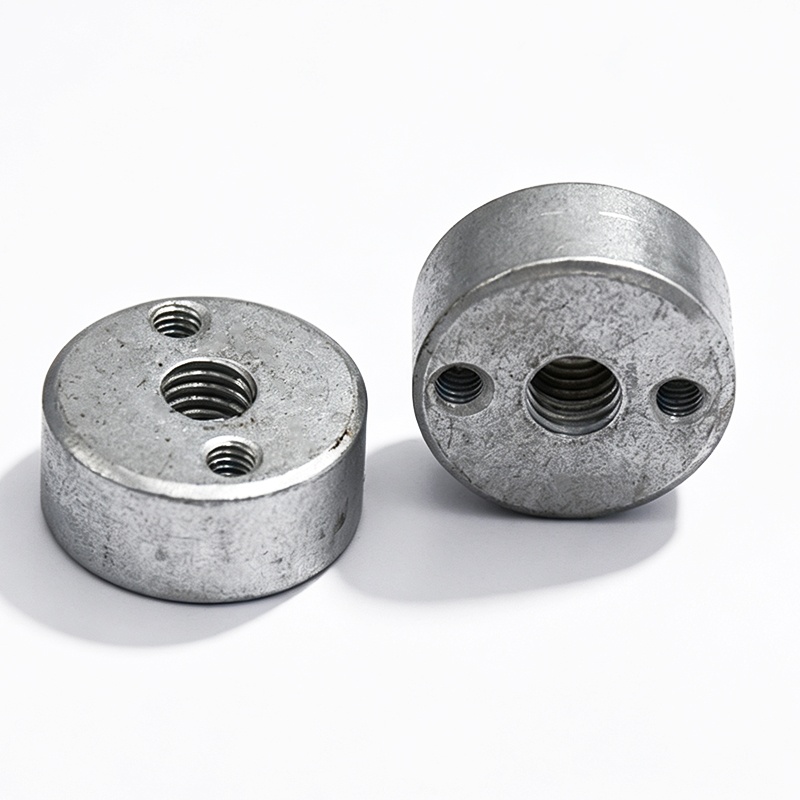 Three Hole Round Plate Nuts with Threaded Plate Fasteners for Metal and Machinery
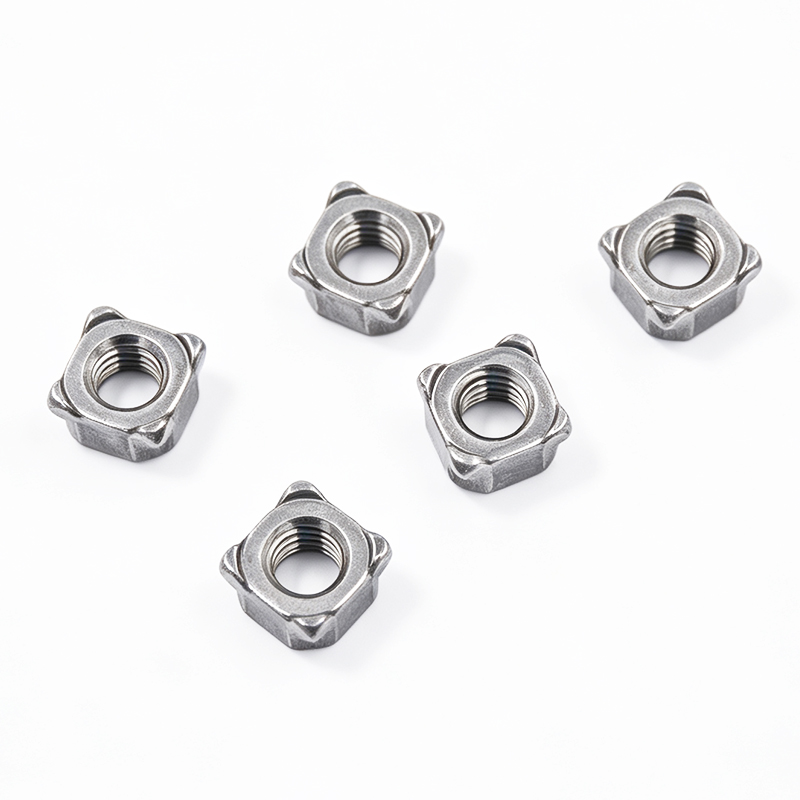 Carbon Steel Square Weld Nuts with Heavy Duty Threaded Nuts for Welding Applications
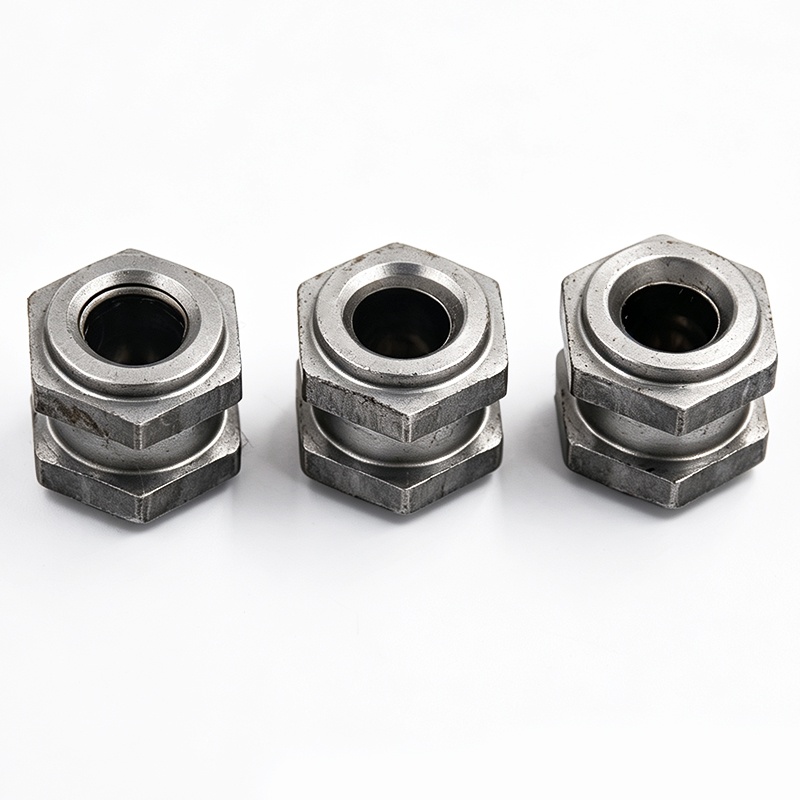 Non Standard Stainless Steel CNC Machined Special Shaped Nuts
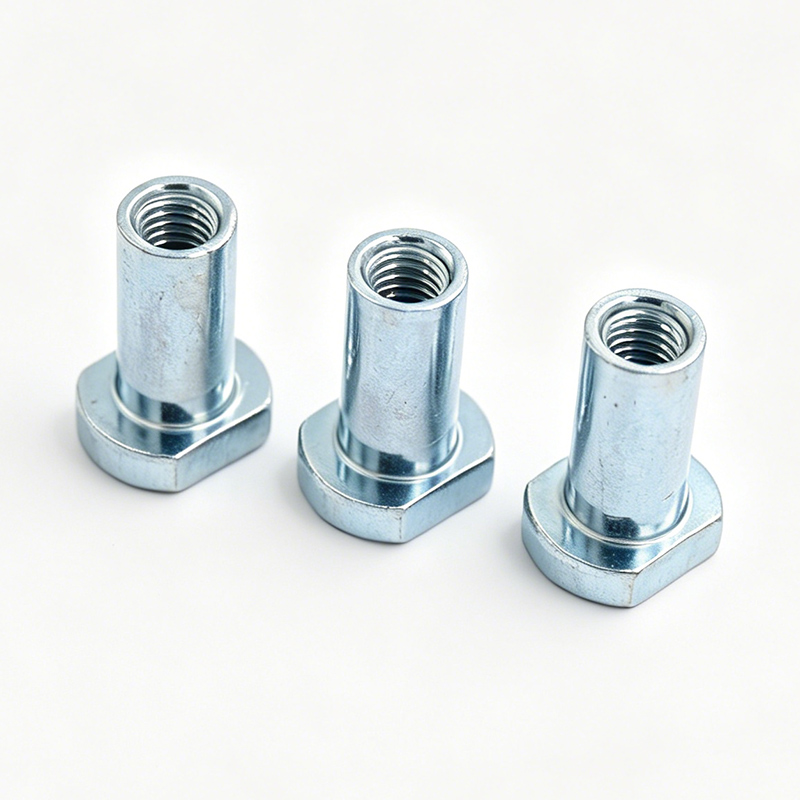 Non-Standard Special-Shaped Nuts
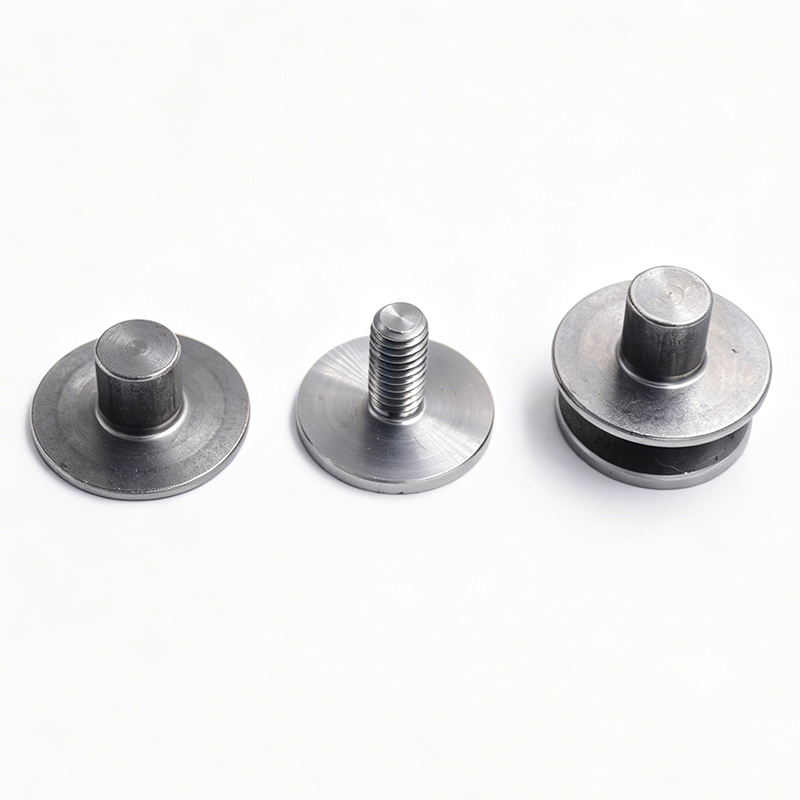 Knurled Cylindrical Or External Hexagonal Locking Screws And Nuts
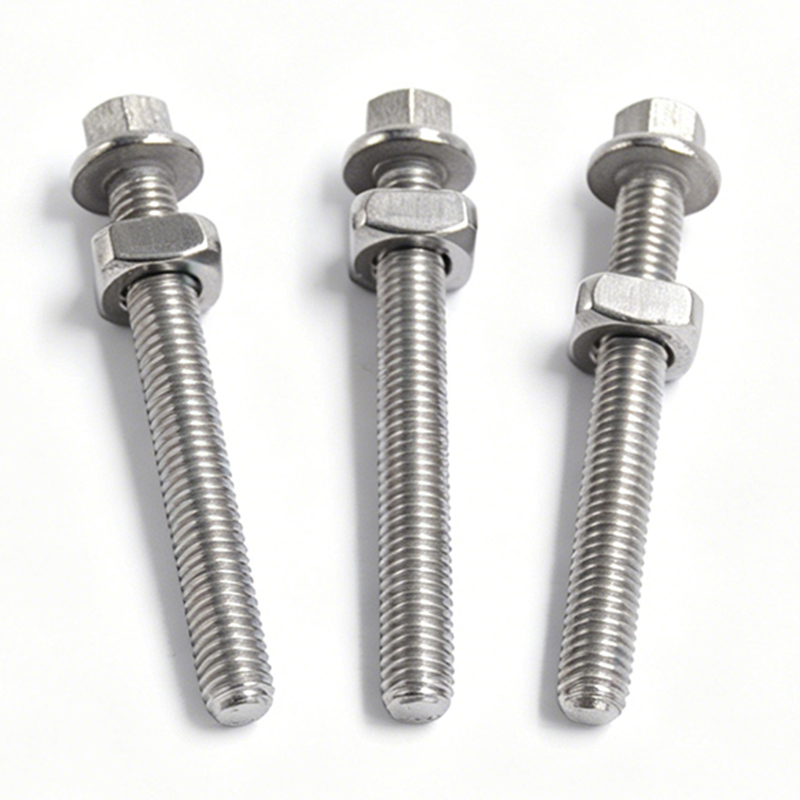 Flange Bolts With Square Nuts
Latest News
-
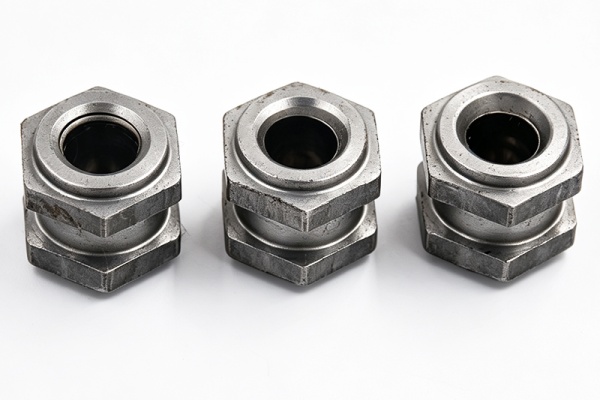
Special-shaped Bolts and Stainless Steel Double-ended Bolts from Wenzhou Riyi Standard Parts Co., Ltd
2026-09-23In modern mechanical manufacturing, construction engineering and equipment assembly, high-quality fasteners are the invisible foundation that guarantees structural safety and product stability.
-
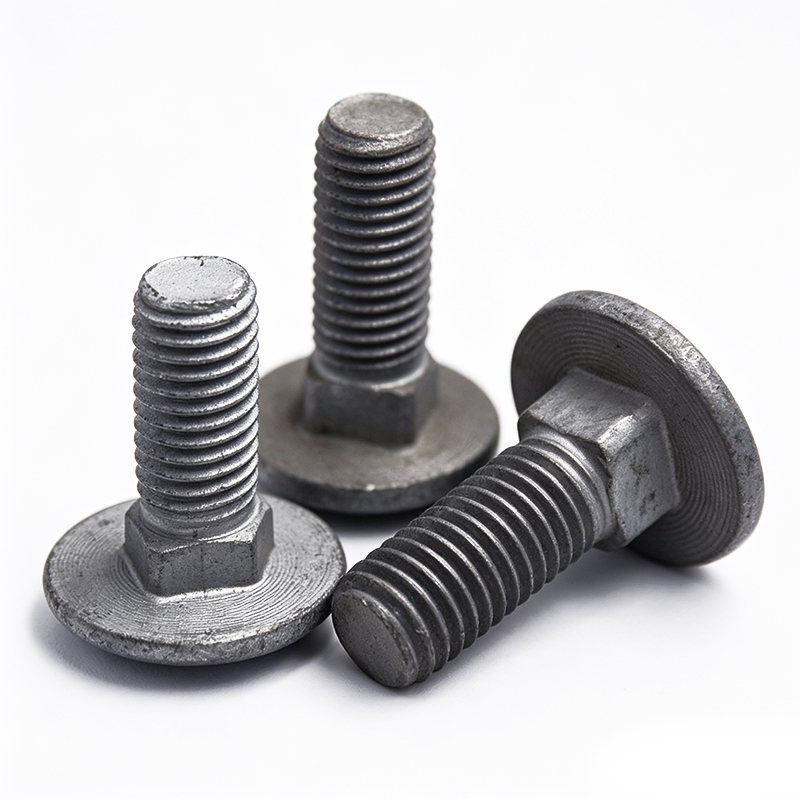
Precision Custom Fasteners from Wenzhou Riyi Standard Parts
2026-09-15Wenzhou Riyi Standard Parts is a reliable Chinese manufacturer focusing on custom non-standard fasteners, located in Wenzhou’s Binhai Economic Zone.
-
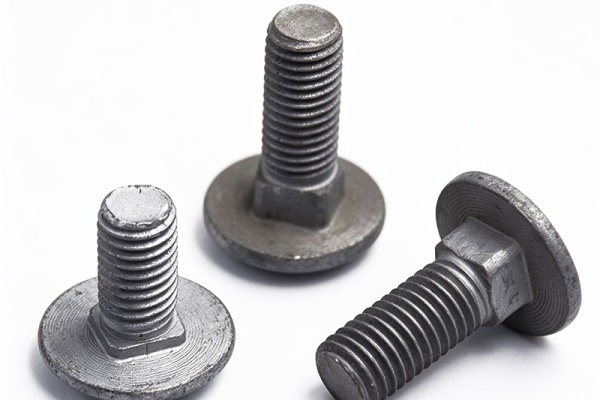
Aluminum Alloy Flange Bolts, Ball Head Studs & Dacromet Carriage Bolts – Reliable Fastener Startup Business
2026-09-08Fasteners are essential basic components widely used in machinery, automotive, engineering and equipment assembly industries.
-
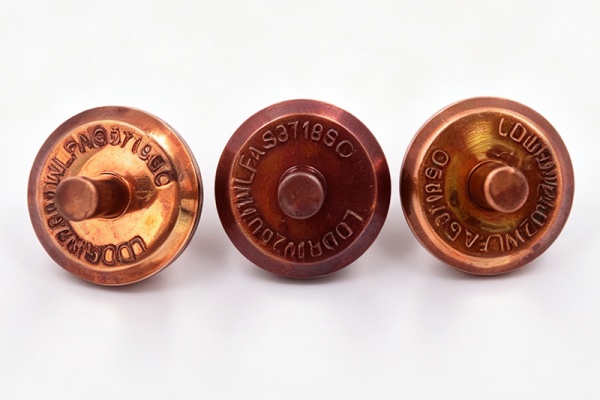
The Key Role of Precision Hardware Parts in Modern Mechanical Assembly
2026-09-04In the fast-developing field of modern mechanical manufacturing and equipment assembly, tiny hardware accessories are often the core factors that determine the stability, durability and safety of the entire device.