Products


Screw

Stainless Steel Anchor Bolts For Concrete Foundations
Anchor screws, also known as anchor bolts or anchors, are critical fasteners used to securely secure steel structures, equipment or building components into concrete foundations. Its core function is to form a permanent connection between the superstructure and the foundation, and transfer huge loads (such as tension and shear forces) to the concrete through pre-embedding or post-anchoring, thereby ensuring the stability and safety of the structure.
Read MoreSend Inquiry
Dacromet Hexagonal Column Wheel Hub Bolts
Dacromet hexagonal hub bolt is a high-performance and high-reliability fastener specially designed for automobile wheel connection. Its core value is to provide double guarantee for vehicle driving safety: excellent corrosion resistance and solid mechanical connection.
Read MoreSend Inquiry
Stainless Steel Countersunk Head Inner Square Self-Tapping Screws
This product is a high-performance fastener, made of high-quality stainless steel, with excellent rust and corrosion resistance, and is suitable for various harsh environments. Its core feature is the square hole embedded in the head, which can withstand greater torque, effectively prevent the screwdriver from slipping during tightening, and make the connection stronger and more reliable.
Read MoreSend Inquiry
Stainless Steel Bullet-Shaped Rivets
Bullet rivets, named because their shape resembles a bullet, are efficient and economical mechanical fasteners used for single-sided riveting. It is widely used in the connection of thin plate materials due to its convenient installation and high reliability. The rivet consists of a rivet body and a nail core pre-installed in it.
Read MoreSend Inquiry
Flat Face Hydraulic Quick Coupling
Hydraulic quick connectors are precision components used in hydraulic systems to quickly connect and disconnect pipelines. It requires no tools and can be operated by one person with bare hands, which can greatly improve the efficiency of equipment maintenance and replacement, and reduce downtime and media leakage.
Read MoreSend Inquiry
High Strength Alloy Steel Square Head Bolt
Square head bolt (half thread) is a mechanical fastener that combines easy installation and strong locking properties. Its most notable feature is that the bolt head adopts a standard square design, which is sharply different from the common hexagonal head.
Read MoreSend InquiryLatest News
-
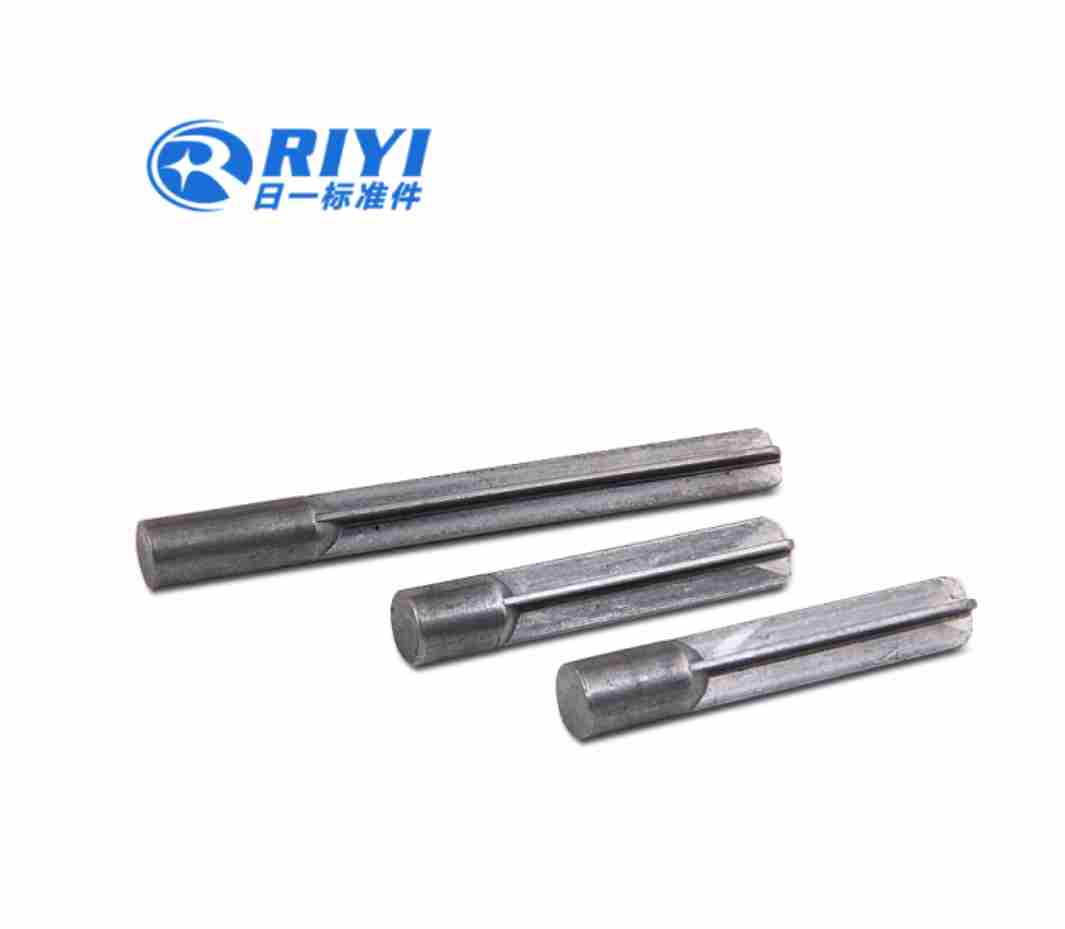
Cold Heading Components: High-performance Fastener Solutions from Wenzhou Riyi Standard Parts Co., Ltd
2026-09-29Cold heading processing shapes metal wire under strong pressure at room temperature without cutting raw materials. Unlike traditional CNC machining, this technology preserves the continuous metal grain flow inside cold heading parts.
-
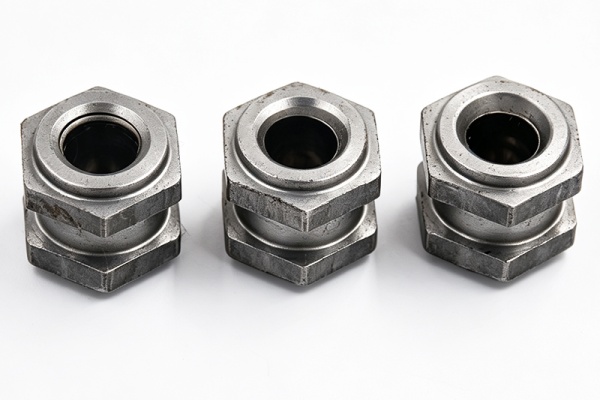
Special-shaped Bolts and Stainless Steel Double-ended Bolts from Wenzhou Riyi Standard Parts Co., Ltd
2026-09-23In modern mechanical manufacturing, construction engineering and equipment assembly, high-quality fasteners are the invisible foundation that guarantees structural safety and product stability.
-
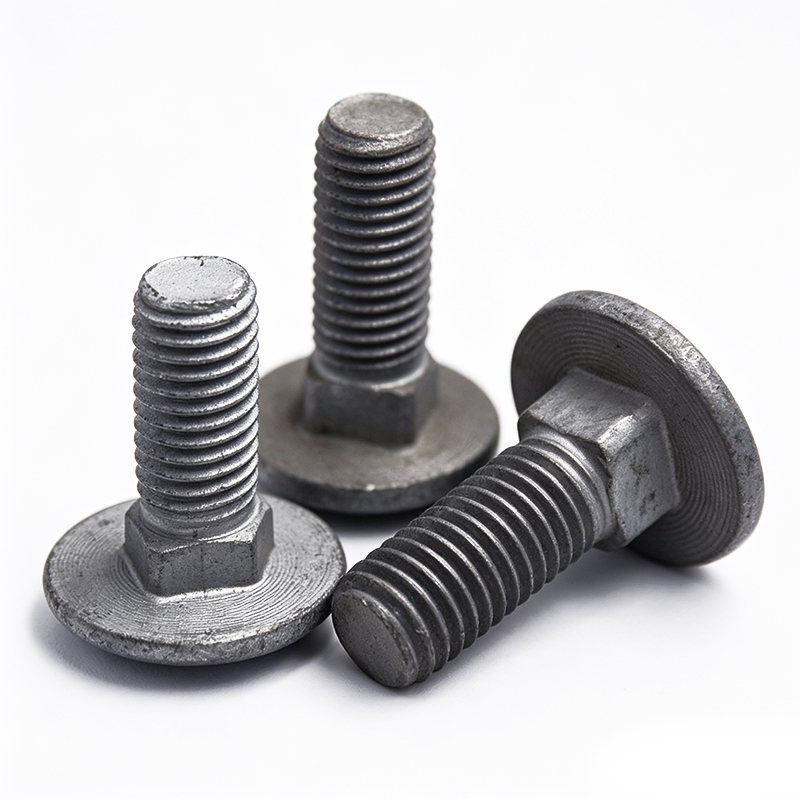
Precision Custom Fasteners from Wenzhou Riyi Standard Parts
2026-09-15Wenzhou Riyi Standard Parts is a reliable Chinese manufacturer focusing on custom non-standard fasteners, located in Wenzhou’s Binhai Economic Zone.
-
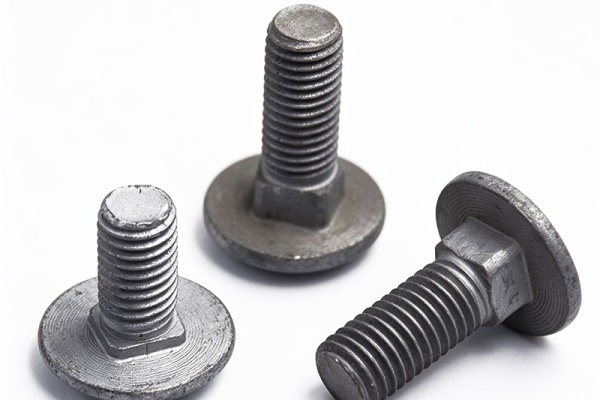
Aluminum Alloy Flange Bolts, Ball Head Studs & Dacromet Carriage Bolts – Reliable Fastener Startup Business
2026-09-08Fasteners are essential basic components widely used in machinery, automotive, engineering and equipment assembly industries.